
When you hear "independent living," what comes to mind? For many, it's a bit of a mystery, often confused with other types of senior care. But in reality, it's less about care and more about a lifestyle choice. It’s a housing option built for active, self-sufficient older adults who are ready to ditch the hassles of homeownership without giving up an ounce of their freedom.
At its core, independent living is about gaining convenience and community. It’s for seniors who don't need daily medical or personal assistance but want the perks of living in a vibrant, social environment where chores like yard work and home repairs are a thing of the past.
A Lifestyle of Freedom and Connection
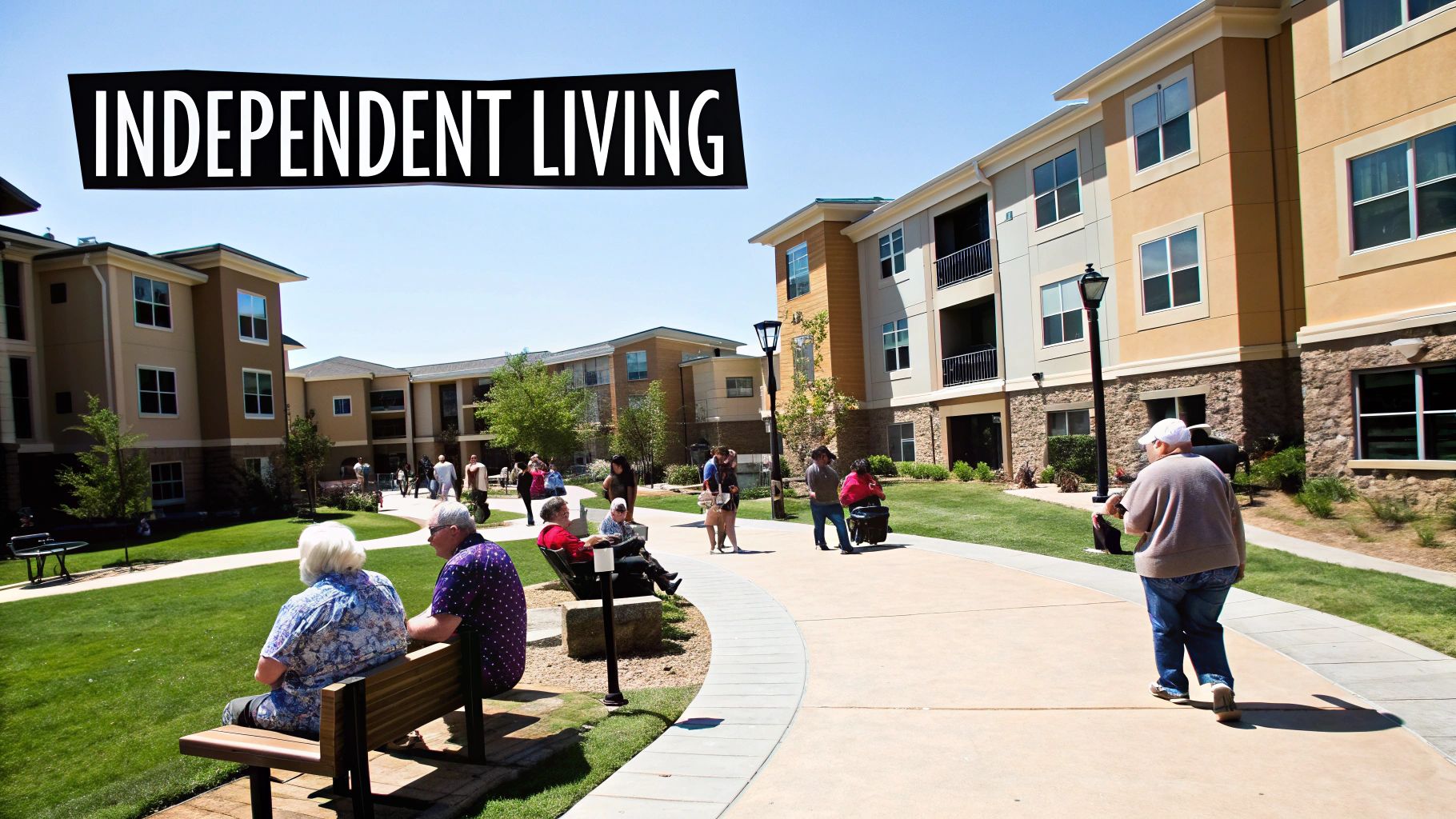
Picture this: your biggest decision for the day is choosing between a morning yoga class, an afternoon art workshop, or catching up with friends over a chef-prepared dinner. That's the essence of independent living. Forget any notions of a sterile, clinical setting—think of it more like an upscale apartment complex or a resort with incredible, hotel-like services baked right in.
The main goal is to free you from the mundane tasks that can start to feel burdensome. No more mowing the lawn, fixing a leaky faucet, or even worrying about cooking every meal. All that reclaimed time and energy can be poured back into your passions, friendships, and living a more engaged, fulfilling life. The emphasis is always on your autonomy and your choices.
What Does This Lifestyle Include?
Most residents have their own private apartment or cottage, often with a full kitchen, giving them a personal sanctuary to retreat to. But just outside their door lies a world of shared amenities and social opportunities. It’s this perfect blend of privacy and community that so many people find appealing.
While the specifics can differ from one community to another, you can generally expect to find:
- Social and Recreational Activities: The social calendar is usually buzzing with everything from book clubs and fitness programs to group outings and guest lectures.
- Maintenance-Free Living: Say goodbye to chores. All interior and exterior maintenance, landscaping, and even housekeeping services are typically part of the package.
- Dining Services: Most communities feature restaurant-style dining rooms with flexible meal plans, offering delicious and nutritious options when you don't feel like cooking.
- Security and Peace of Mind: Safety is a priority, with features like 24/7 on-site staff and emergency call systems providing an extra layer of security.
This lifestyle is clearly resonating with today's seniors. Independent living communities across the U.S. have hit an average occupancy rate of 89.0%, which is actually higher than the current rate for assisted living. It’s a trend worth watching.
How Is It Different From Other Senior Living Options?
It’s easy to get the terms mixed up, but it's crucial to understand that independent living is not the same as assisted living or a nursing home. The key difference is the level of personal care provided.
Residents in independent living are just that—independent. They handle their own medications, manage their personal care routines (like bathing and dressing), and go about their daily lives without hands-on support from the community's staff.
To make it a little clearer, here’s a quick breakdown of how these options compare.
Quick Overview of Senior Living Options
This summary table helps you quickly distinguish between different types of senior care at a glance.
| Feature | Independent Living | Assisted Living | Nursing Home |
|---|---|---|---|
| Primary Focus | Lifestyle & Convenience | Support with Daily Activities | 24/7 Medical Care |
| Ideal Resident | Active, self-sufficient seniors | Seniors needing some help with ADLs | Seniors with complex medical needs |
| Housing | Private apartments/cottages | Private or semi-private apartments | Private or semi-private rooms |
| Care Level | None provided by community | Personal care, medication help | Skilled nursing, medical monitoring |
| Social Life | Robust social calendar | Planned activities, group dining | Activities adapted to residents' abilities |
As you can see, each option serves a very different need.
This makes independent living the perfect fit for healthy, active older adults who are looking for more convenience, more social connection, and fewer worries. If you're exploring what's next, it helps to fully grasp what an active adult living environment truly offers. It’s a proactive step toward a richer, more carefree chapter of life.
Exploring the Lifestyle and Amenities
When you look past the basic definition of independent living, you find the real heart of it: the day-to-day experience. This lifestyle isn't just about having your own private apartment. It’s about everything that happens the moment you step outside your door. It’s a world built to swap the burdens of homeownership for the freedom to chase your passions, build new friendships, and truly focus on your own well-being.
Picture a typical morning. Instead of worrying about mowing the lawn or facing a surprise home repair, your biggest decision might be whether to join the gentle yoga class or meet friends for a walk along the community’s manicured paths. That shift—from obligation to opportunity—is what independent living is all about.
A Focus on Social Connection
One of the best parts of this lifestyle is the built-in community. Living at home can sometimes get lonely, but independent living communities are designed from the ground up to bring people together. The social calendar is often the hub of the community, packed with all sorts of events for different interests.
And we're not just talking about bingo nights. Today's communities offer a rich variety of activities to keep things engaging and fun:
- Creative Pursuits: You’ll find art classes, from watercolor painting to pottery, giving residents a chance to explore their creative side in a friendly setting.
- Lifelong Learning: Guest lectures, book clubs, and discussion groups are perfect for sparking intellectual curiosity and lively conversations.
- Group Outings: Many communities organize trips to local theaters, museums, restaurants, and shopping centers in areas like Willis, TX. It keeps life exciting and connected to the world outside.
- Social Gatherings: Think happy hours, themed dinners, and holiday parties. These events create a warm, festive atmosphere where neighbors quickly become good friends.
This constant flow of activity means there’s always something to do and someone to share it with, which goes a long way in fighting loneliness and creating a real sense of belonging.
Prioritizing Wellness and Health
Wellness in independent living is about more than just safety bars in the bathroom. It’s a proactive approach to keeping your mind and body healthy, backed by fantastic amenities. The whole point is to make staying active and healthy both easy and enjoyable. Most communities have dedicated fitness centers, often with equipment specifically chosen for seniors.
Activities like water aerobics are incredibly popular because they’re a great cardio workout that’s also gentle on the joints. You'll also find things like tai chi, balance classes, and walking groups. These aren’t just exercise classes; they're social events that boost physical health while you build friendships.
The core idea is simple: by removing the physical strain of home maintenance and providing accessible wellness opportunities, residents have more energy to invest in their health, hobbies, and happiness.
The Ultimate Convenience: A Maintenance-Free Life
Maybe the most celebrated perk is the truly maintenance-free lifestyle. This means no more surprise repair bills, no more climbing ladders to clean gutters, and definitely no more weekends lost to yard work. That freedom is a game-changer.
The convenience doesn't stop there. While apartments have full kitchens for those who love to cook, most communities also offer restaurant-style dining. You get delicious, chef-prepared meals without ever having to think about grocery shopping, cooking, or cleaning up. It's like having a favorite restaurant just a short walk from your front door, and it's another chance to socialize with neighbors over a great meal.
You can explore a full list of community features to see how all these social, wellness, and convenience-focused amenities come together to create an environment where seniors don't just live—they thrive.
Comparing Independent Living to Other Senior Care
Trying to choose a senior living option can feel like you’re staring at a map with a dozen different roads leading to unknown places. You’ll hear terms like "independent living," "assisted living," and "nursing home" thrown around, but they represent entirely different destinations on that map. Getting a clear picture of what makes each one unique is the first real step to making a decision you can feel good about.
Here’s a simple way to think about it: independent living is a lot like moving into a fantastic apartment complex that just happens to come with hotel-style perks. You get your own private home and the freedom to live exactly as you please. The big difference? Someone else handles the cooking, cleaning, and yard work, and there’s a whole social scene waiting right outside your door. It’s a lifestyle choice, plain and simple, designed for active seniors who don’t need daily hands-on care.
The Key Difference: Personal and Medical Care
The single biggest factor that separates these senior living options is the level of hands-on care provided. Honestly, everything else stems from this one core distinction.
Independent living communities aren't licensed to provide personal or medical care. While you’ll find staff on-site 24/7 for emergencies and security, they won’t be helping with things like bathing, getting dressed, or managing medications—what we call Activities of Daily Living (ADLs). The residents here are, well, independent.
On the other hand, assisted living is built for seniors who need a bit of help with those ADLs. It provides a supportive safety net where caregivers are available to lend a hand as needed. It perfectly bridges the gap between total independence and needing more serious medical support. For a deeper dive, our guide on the difference between independent living and assisted living breaks it down even further.
Nursing homes, which are also called skilled nursing facilities, offer the highest level of care available. These are for folks with complex medical conditions who require round-the-clock medical supervision from registered nurses and therapists.
This hierarchy really highlights how independent living is all about lifestyle—social connection, wellness, and convenience—all built on a foundation of personal autonomy.
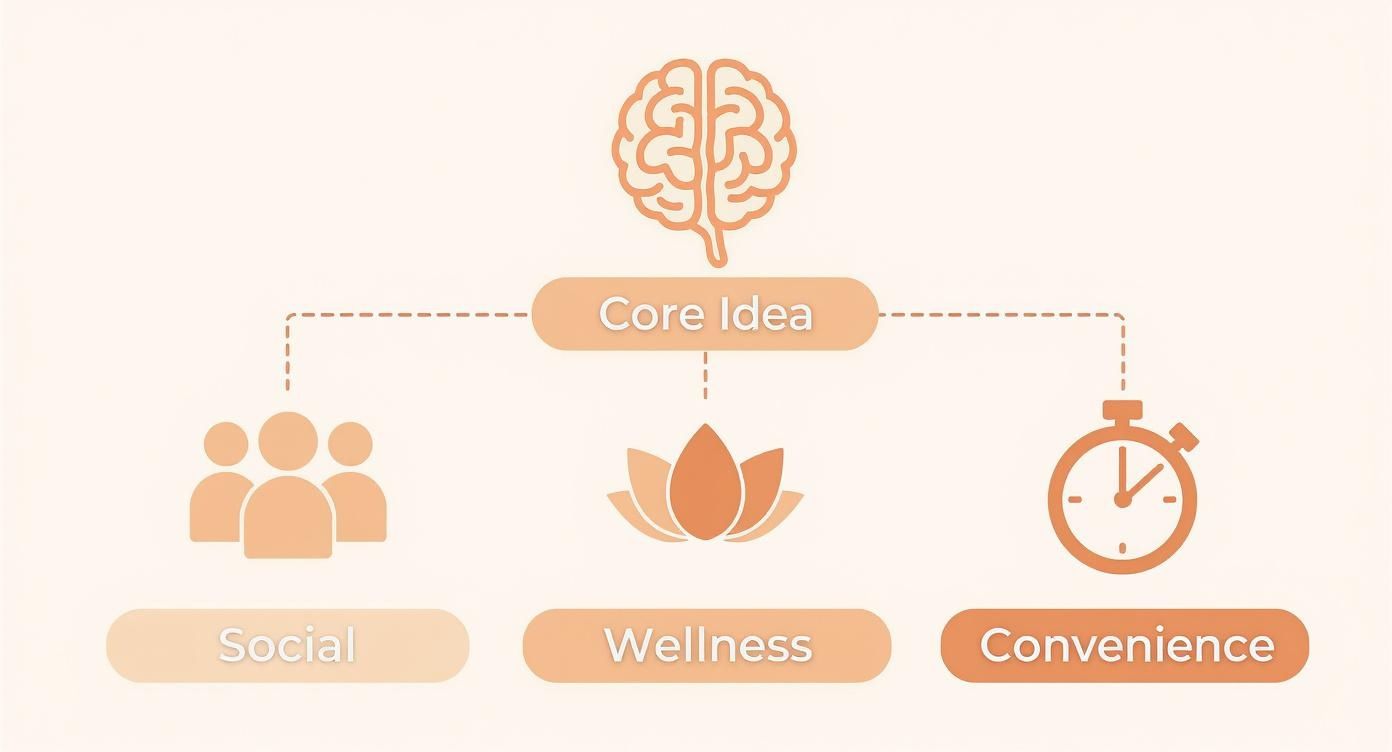
The whole idea is to take away the daily hassles and provide endless opportunities for social and wellness activities. This empowers seniors to live their most active, engaged, and fulfilling lives.
To help visualize these differences, here’s a table that lays out how each option compares on key aspects.
Detailed Comparison of Senior Housing Levels
| Aspect | Independent Living | Assisted Living | Nursing Home |
|---|---|---|---|
| Primary Focus | Lifestyle, social connection, and convenience. | A blend of independence and personal care support. | Intensive medical care and rehabilitation. |
| Level of Care | None. Designed for self-sufficient seniors. | Assistance with Activities of Daily Living (ADLs). | 24/7 skilled nursing and medical monitoring. |
| Living Space | Private apartments, cottages, or homes. | Private or semi-private apartments or rooms. | Typically private or semi-private rooms. |
| Ideal Resident | Active seniors who want to shed home maintenance and gain community. | Seniors needing some help with daily tasks but not constant medical care. | Individuals with chronic health issues needing significant medical support. |
| Cost Structure | Monthly fee covering rent, meals, and amenities. Primarily private pay. | Higher monthly fee covering care services. Mostly private pay. | Highest cost due to skilled medical staff. May be covered by Medicare/Medicaid. |
| This side-by-side view makes it much clearer where each type of community fits into the broader spectrum of senior care. |
Autonomy Versus Structured Support
The amount of personal freedom you have is another huge point of difference.
In independent living, you’re in the driver's seat. You set your own schedule, come and go whenever you like, and join in activities that genuinely interest you. It’s your life, just without all the chores.
Assisted living introduces a bit more structure, though the main goal is still to encourage as much independence as possible. Staff might help map out a daily routine that includes reminders for medication or a helping hand getting ready for the day. Mealtimes are often at scheduled times to foster a community atmosphere and ensure everyone is eating well.
In a nursing home, the day is highly structured around medical appointments, therapy sessions, and care routines. Social activities are certainly offered, but the top priority is always health management and safety.
A great way to frame this is by asking yourself: "Are we trying to solve a lifestyle problem or a healthcare problem?" Independent living is the solution for lifestyle challenges—things like loneliness, the burden of home maintenance, or just wanting more activity. Assisted living and nursing care are solutions for healthcare needs.
A Look at Cost Structures
Financially, each of these options works very differently. Independent living is almost entirely a private-pay, hospitality-style model. You pay a monthly fee that rolls your rent, utilities, meal plans, housekeeping, and access to all the amenities into one bill.
Assisted living costs are also paid monthly but are almost always higher because they bundle in the cost of personal care services. The final price tag often hinges on exactly how much care a person needs.
Nursing home care is the most expensive of the three, and for good reason—it involves intensive, round-the-clock skilled medical care. Unlike the other two, its cost might be covered by Medicare for short-term rehab stays or by Medicaid for long-term care if you qualify financially. Because it’s not considered medical care, independent living is almost never covered by these programs.
Understanding the Costs of Independent Living
Talking about money is a huge step for families looking into senior living. Getting a handle on the real costs of independent living can make the whole process much less mysterious. The best way to think about it is like an all-inclusive resort package—you pay one predictable monthly fee that takes care of your apartment and a whole bunch of lifestyle perks. It simplifies your budget and gets rid of those surprise expenses.
This single monthly payment bundles everything you need to live comfortably without worrying about upkeep. It's a straightforward model that lets you focus on enjoying retirement, not juggling a pile of bills for rent, utilities, and repairs.
What the Monthly Fee Usually Covers
While the nitty-gritty can change from one community to the next, the monthly fee for independent living generally includes a pretty comprehensive list of services. This predictable cost is a major selling point for anyone tired of getting hit with unexpected home repair bills or seeing their utility costs spike.
You can typically expect your fee to cover:
- Housing: This is simply the rent for your private apartment or cottage.
- Utilities: Say goodbye to separate bills. Gas, electricity, water, trash removal, and often basic cable and Wi-Fi are all included.
- Meal Plans: Most places offer flexible dining plans, giving you one or more chef-prepared meals each day in a restaurant-style dining room.
- Maintenance and Housekeeping: Forget about home repairs and chores. All interior and exterior maintenance, landscaping, and regular housekeeping are handled for you.
- Activities and Amenities: You get full access to the community’s social calendar, fitness center, library, and other shared spaces. It's all part of the deal.
The independent living sector is a big piece of the $97.85 billion senior living market. With rental markets getting tighter and demand on the rise, the industry needs to add over 250,000 new units by 2027 just to keep up. It's easy to see why this lifestyle is becoming so popular.
How to Fund Your Independent Living Lifestyle
A common point of confusion is how exactly to pay for independent living. Because it's a lifestyle choice and not a medical necessity, government programs like Medicare and Medicaid don't typically cover the costs. This is a crucial difference from nursing home care.
Instead, families tap into a variety of private funding strategies. These are the most common ways people make it work:
- Private Funds and Savings: Many residents use their retirement savings, pensions, or income from other investments.
- Sale of a Home: The equity you've built up in your family home is often the main source of funding for a move into an independent living community.
- Long-Term Care Insurance: While people often connect it with assisted living, some long-term care insurance policies have provisions that can help with the costs. It's vital to check what your specific policy covers; our guide on long-term care insurance coverage gets into more of the details on this.
- Veterans' Benefits: Programs like the VA Aid and Attendance benefit can give eligible veterans and their spouses a monthly stipend that can be put toward senior living expenses.
Once you understand these funding sources, you can put together a clear financial roadmap. This allows you to plan with confidence, making the move to a vibrant, worry-free lifestyle a goal you can actually reach.
When to Consider a Move to Independent Living
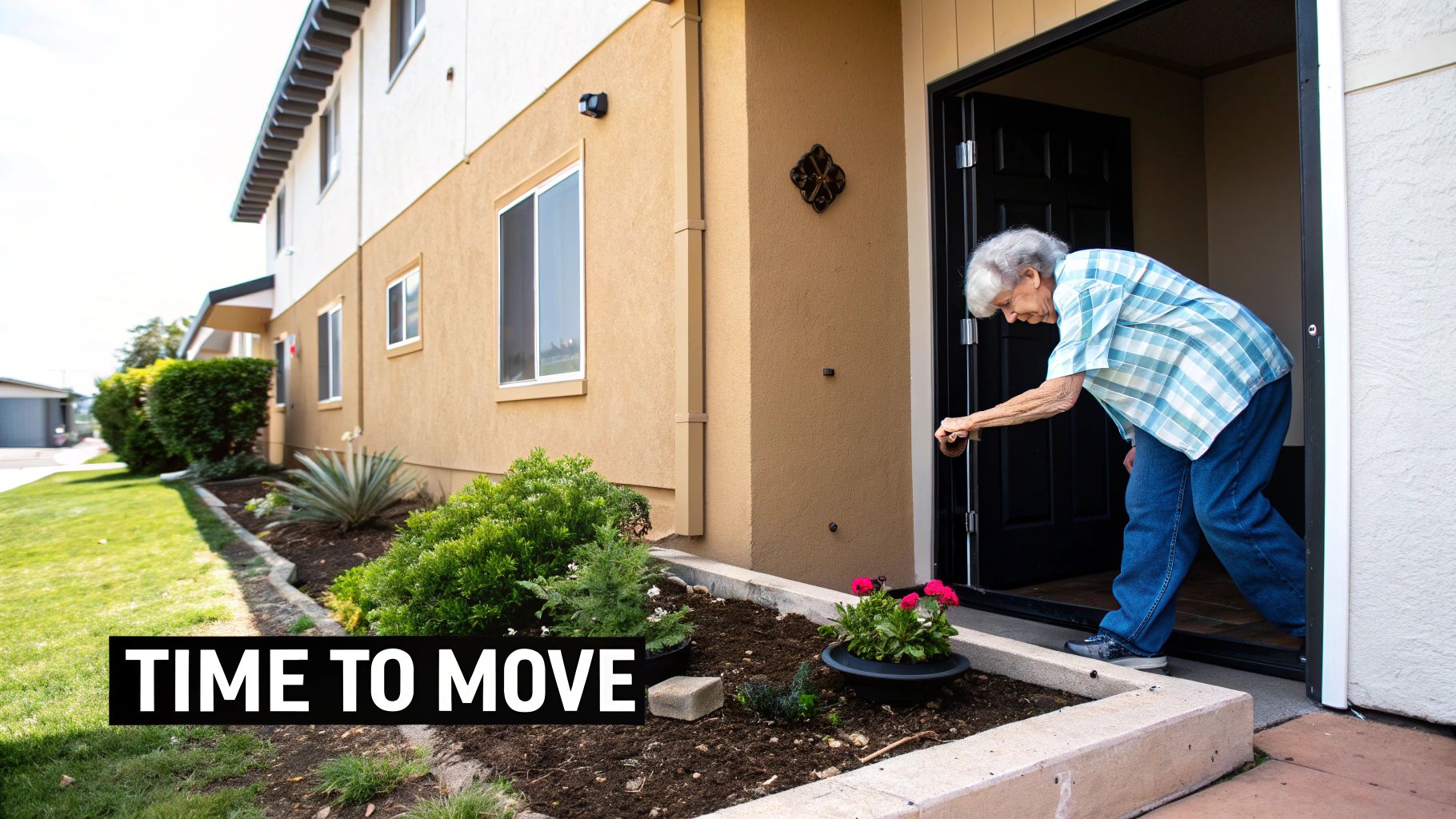
Deciding when to move is easily one of the most personal and sensitive parts of this entire process. There's no magic age or major health crisis that signals it's time. It's usually a much quieter realization—a gradual shift where the balance of your life tips from enjoying your freedom to feeling burdened by the responsibilities that come with it.
It helps to reframe the conversation entirely. A move to independent living isn't about giving up your independence; it's about proactively protecting it. It’s a smart, strategic choice to trade the endless hassles of homeownership for a lifestyle rich with security, new friends, and total convenience—long before you might need more serious care.
Signs It Might Be the Right Time
Thinking about this kind of move often starts when the day-to-day realities of living at home start feeling more like chores than joys. These little shifts can be powerful clues that a more supportive environment could dramatically improve your quality of life.
Here are a few common signs that it might be time to start looking at your options:
- Home Maintenance Becomes a Burden: Are you spending your weekends pulling weeds, worrying about a leaky roof, or feeling overwhelmed by household repairs? When the home you once loved starts feeling like a demanding, full-time job, that's a huge sign.
- Feelings of Social Isolation: Do you find yourself feeling lonely more often than you'd like? If your social circle has gotten smaller or it's just become harder to get out and see people, the built-in community of independent living can be a perfect fit.
- A Desire for More Engagement: Maybe you're perfectly healthy and capable but, frankly, just bored. If you're craving more activities, new hobbies, and a vibrant social calendar without having to plan it all yourself, independent living is designed for exactly that.
Choosing independent living is a powerful step toward a more fulfilling and secure future. It’s about making a decision from a position of strength, ensuring you have the support and community you need to thrive in the years ahead.
A Proactive Approach to Your Future
Thinking about what is independent living for seniors is the first step. The next is realizing that the best time to make a move is while you're still active and healthy enough to enjoy everything a new community has to offer. Waiting for a health scare or an emergency often leads to a rushed decision and can really limit your choices.
By making a choice proactively, you give yourself the gift of time. You get to carefully select the community that feels right, settle in on your own terms, and start building new friendships. This thoughtful approach makes the transition so much smoother and more positive. It also provides incredible peace of mind for both you and your family.
Of course, needs can change over time. Understanding the signs that point to needing more support is also a crucial part of long-term planning. Our guide can help you recognize when to move from independent to assisted living, making sure you feel prepared for every stage of your journey. This kind of forward-thinking makes the whole process feel less intimidating and more empowering, putting you right where you should be—firmly in control of your future.
How to Choose the Right Community

Finding the perfect independent living community feels less like a transaction and more like discovering a new neighborhood where you just fit. Glossy brochures and slick websites are a decent starting point, but the real test is looking past the marketing to get a feel for a community's true culture. It’s all about matching a community’s personality with your own.
And it’s a journey more and more people are taking. The global senior living market was valued at around $190 billion in 2020 and is on track to nearly double by 2030. This boom is fueled by a growing number of seniors looking for active, engaging places to call home. You can learn more about the rise of the silver generation and its impact on the senior living landscape.
Starting Your Search Online
The first phase of your search can happen right from your couch. Start by making a list of potential communities in your ideal area, like Willis, TX. As you click through their websites, keep an eye on a few key things to help you build a shortlist:
- Location and Proximity: How close is the community to family, friends, your doctor, or your favorite coffee shop? Convenience matters.
- Amenities Offered: Do they have the things that are important to you? Maybe it's a fitness center, walking trails, an art studio, or a pool.
- Floor Plans and Pricing: Do they have layouts and apartment sizes that fit your lifestyle and your budget? Clear, upfront pricing is always a good sign.
Doing this homework online helps you narrow the field to a handful of serious contenders before you even think about scheduling visits. It’s about working smarter, not harder.
Making the Most of In-Person Tours
A tour is your chance to see if the reality matches the brochure. This is where you can truly size up the atmosphere of a community. Go in prepared with a checklist of what to look for and questions to ask, so you can get past the sales pitch and see what daily life is actually like.
Pay close attention to the interactions you see. Do residents seem happy and engaged? Are staff members greeting them by name with a genuine smile? These small observations speak volumes about the community's culture.
Your goal here is to get the kind of firsthand information a website could never give you. You can only feel the energy of a place—its warmth, friendliness, and overall vibe—by being there in person.
Questions to Ask and What to Observe
During your visit, be an active observer and don't be shy with your questions. A great community will welcome your curiosity and encourage you to look around.
Key Questions for Your Tour:
- About the Residents: Ask about the general culture. Are most residents from the local area? What are the most popular events on the social calendar?
- About the Staff: How long have key people, like the director or activities coordinator, been there? Low staff turnover is usually a sign of a happy, well-run community.
- About the Food: Can you try a meal in the dining room? The quality of the food is a massive part of daily satisfaction, so don’t hesitate to ask for a taste of what they’re serving.
- About Future Needs: What happens if your health needs change down the road? Do they have partnerships with assisted living providers or offer a continuum of care on-site?
Maybe the most valuable thing you can do on any tour is talk to the people who already live there. Ask your guide if you can chat for a few minutes with some current residents. Their honest, unfiltered opinions will give you the most authentic insight into what is independent living for seniors like in that specific community.
Frequently Asked Questions About Independent Living
As you start digging into what independent living is really about, the practical questions are bound to pop up. These are the details that paint a clear picture of day-to-day life and tackle the real-world concerns that matter most. Getting solid answers here can make the whole decision-making process feel a lot less overwhelming.
Thinking through the logistics is a huge part of the journey. You're probably wondering how your current lifestyle, your treasured belongings, and even your pets will fit into this new chapter. It’s all about making sure the community you choose truly feels like home from day one.
Can I Personalize My Living Space?
Absolutely! Your private apartment is your own personal space, and communities don't just allow you to make it your own—they encourage it. You should absolutely bring your cherished furniture, family photos, and favorite decorations to create a home that reflects your personality.
And yes, you can bring your car. Most communities provide designated resident parking, so keeping your vehicle is rarely an issue. This ensures you can hold onto your freedom to run errands, visit family, or just explore the local Willis, TX, area whenever you feel like it.
What Happens If My Health Needs Change?
This is easily one of the most important questions families ask, and for good reason. Many independent living communities are part of a larger campus or have tight-knit partnerships with providers who offer different levels of care. It’s often called a "continuum of care," and it's designed to make any future transitions seamless.
If your health needs evolve down the road, you can often move to an assisted living or memory care setting right there in the same community. This comes with some major advantages:
- Continuity: You get to stay in a familiar place, surrounded by the friends and staff you already know.
- Peace of Mind: You and your family can relax, knowing that a plan for future care is already in place.
- Simplicity: The process is so much easier than starting a brand-new, stressful search for another facility.
The ability to "age in place" within a single community is a huge plus. It takes away a lot of future uncertainty and lets residents truly settle in for the long haul, knowing support is right there if they ever need it.
Are Pets Welcome in Independent Living?
For so many of us, pets are family. The good news is that the vast majority of independent living communities are pet-friendly. They completely understand the joy and companionship that animals bring to their residents' lives.
Of course, you’ll usually find specific pet policies in place. These might include rules about the size, breed, or number of pets allowed in an apartment. Just be sure to ask about any pet fees or where the designated walking areas are when you take a tour. This helps make sure it’s a great fit for you, your furry friend, and all your new neighbors.
At Forest Cottage Senior Care, we're here to provide a supportive and welcoming environment that’s built around your needs. If you have more questions about making a smooth transition to a more supported lifestyle, we invite you to contact us to schedule a tour and see our community firsthand.