

When families begin searching for “adult care homes near me,” they’re embarking on one of life’s most important decisions. The transition to residential assisted living represents a significant milestone for seniors and their loved ones, requiring careful consideration of care quality, environment, and personal needs. Understanding what makes an exceptional adult care home can help ensure your family member receives the compassionate, personalized attention they deserve while maintaining their dignity and independence.
Adult care homes, also known as residential assisted living facilities, provide a unique alternative to traditional nursing homes by offering intimate, home-like environments where seniors can receive professional care while preserving their sense of community and belonging. These facilities bridge the gap between independent living and skilled nursing care, making them ideal for seniors who need assistance with daily activities but don’t require intensive medical supervision.
Understanding Adult Care Homes and Residential Assisted Living
Adult care homes represent a specialized form of senior living that emphasizes personalized care in a residential setting. Unlike large institutional facilities, these homes typically accommodate fewer residents, creating an intimate atmosphere where staff can develop meaningful relationships with each individual. This model allows for more attentive, personalized care that adapts to each resident’s unique needs and preferences.

The U.S. Department of Health and Human Services recognizes assisted living as a crucial component of the long-term care continuum, serving seniors who need help with activities of daily living while maintaining their independence wherever possible. These facilities provide assistance with tasks such as medication management, personal hygiene, meal preparation, and mobility support.
Key Features of Quality Adult Care Homes
Exceptional adult care homes share several common characteristics that set them apart from standard assisted living facilities. First and foremost, they maintain low staff-to-resident ratios, ensuring each person receives adequate attention and personalized care. This approach allows caregivers to understand individual preferences, health needs, and personal histories, creating more meaningful and effective care relationships.
The physical environment plays a crucial role in resident wellbeing. Quality adult care homes feature residential architecture that feels like a real home rather than an institution. Common areas encourage social interaction while private spaces provide retreat and personal comfort. Many facilities incorporate outdoor spaces, gardens, and comfortable living areas that promote both physical and mental health.
Types of Care Services Available
Adult care homes offer comprehensive services designed to support seniors across various levels of need. Understanding these services helps families make informed decisions about which facility best matches their loved one’s requirements.

Daily Living Assistance
Most adult care homes provide hands-on assistance with activities of daily living, including bathing, dressing, grooming, and mobility support. Staff members receive specialized training to help seniors maintain their dignity while receiving necessary assistance. This support allows residents to focus on enjoying their daily activities rather than struggling with tasks that have become challenging.
Medication management represents another critical service, with trained staff ensuring residents take prescribed medications correctly and on schedule. This reduces the risk of medication errors while providing peace of mind for family members concerned about their loved one’s health management.
Memory Care Specialization
Many adult care homes offer specialized memory care services for residents experiencing dementia, Alzheimer’s disease, or other cognitive challenges. Memory care units provide secure environments with specialized programming designed to maintain cognitive function while ensuring resident safety and comfort.
Memory care programming often includes cognitive stimulation activities, structured daily routines, and specialized staff training in dementia care techniques. These programs help residents maintain their abilities while providing appropriate support as needs change over time.
Medical and Health Services
While adult care homes don’t provide skilled nursing care, many coordinate with healthcare providers to ensure residents receive appropriate medical attention. This might include arranging physician visits, coordinating with specialists, and monitoring health conditions that don’t require intensive medical supervision.
Some facilities employ registered nurses or have relationships with healthcare providers who make regular visits. This arrangement provides medical oversight while maintaining the home-like atmosphere that distinguishes adult care homes from medical facilities.
Evaluating Adult Care Homes in Your Area
When searching for adult care homes near you, several factors require careful consideration to ensure you select a facility that meets your loved one’s needs and preferences. The evaluation process should include both practical considerations and personal compatibility factors.

Location and Community Connections
Proximity to family members plays a significant role in resident satisfaction and family involvement. Choose locations that allow for regular visits without creating excessive travel burdens for family members. Consider the surrounding community, including access to medical facilities, places of worship, shopping areas, and recreational opportunities that might interest your loved one.
The assisted living industry has grown significantly as baby boomers age, creating more options in most communities. This growth means families often have multiple facilities to consider, making thorough evaluation even more important.
Staff Qualifications and Training
Investigate staff qualifications, training programs, and turnover rates when evaluating potential adult care homes. High-quality facilities invest in ongoing staff education and maintain low turnover rates, which directly impacts care consistency and quality. Ask about background checks, certification requirements, and continuing education programs.
Staff-to-resident ratios significantly impact care quality, with better facilities maintaining ratios that allow for personalized attention. During visits, observe staff interactions with residents to assess whether the culture aligns with your expectations for respectful, compassionate care.
Licensing and Regulatory Compliance
Verify that any adult care home you consider maintains proper state licensing and meets all regulatory requirements. State licensing boards typically conduct regular inspections and maintain records of violations or corrective actions. Research these records before making final decisions.
The Centers for Medicare & Medicaid Services provides resources for understanding quality measures and regulatory requirements for various types of senior living facilities.
Creating a Warm, Home-Like Environment
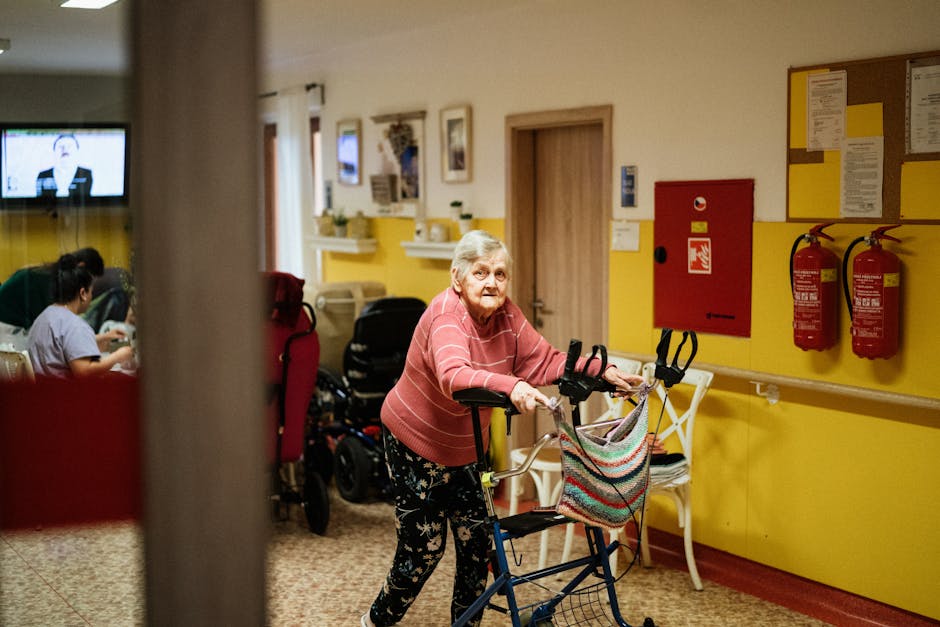
The best adult care homes prioritize creating authentic home-like atmospheres where residents feel comfortable, valued, and connected to their community. This environment significantly impacts resident wellbeing, happiness, and overall quality of life.
Personalized Living Spaces
Quality adult care homes encourage residents to personalize their living spaces with familiar furniture, photographs, and meaningful possessions. This personalization helps ease the transition from independent living while maintaining connections to personal history and identity.
Room layouts should accommodate personal belongings while ensuring safety and accessibility. The best facilities work with residents and families to create spaces that feel genuinely personal rather than institutional.
Community and Social Connections
Successful adult care homes foster genuine community connections among residents while respecting individual preferences for social interaction. This might include group activities, shared meals, outings, and special events that bring people together around common interests.
Family involvement opportunities help maintain important relationships while integrating loved ones into the care home community. Look for facilities that welcome family participation in activities and decision-making processes.
Financial Considerations and Planning
Understanding the financial aspects of adult care homes helps families make sustainable long-term decisions while ensuring access to quality care. Costs vary significantly based on location, services provided, and facility amenities.
Payment Options and Insurance
Most adult care homes operate as private-pay facilities, meaning residents or their families pay monthly fees directly to the facility. Some facilities accept long-term care insurance, veterans benefits, or state Medicaid programs, though coverage varies by location and individual circumstances.
Investigate what services are included in base fees versus additional charges for specialized care or services. Understanding the complete cost structure helps families budget effectively and avoid unexpected expenses.
Long-Term Financial Planning
Consider how costs might change as care needs evolve over time. Some facilities offer different levels of care at varying price points, allowing residents to remain in familiar environments even as their needs change. This continuity can provide both emotional and financial benefits.
Making the Transition to Adult Care Living
The transition to an adult care home represents a significant life change that requires careful planning and emotional support for both seniors and their families. Successful transitions focus on maintaining dignity, autonomy, and personal connections while adapting to new routines and environments.
Begin the transition process gradually when possible, with visits to the facility and opportunities for your loved one to meet staff and other residents. This approach helps reduce anxiety while building familiarity with the new environment.
Work closely with facility staff to communicate important information about your loved one’s preferences, routines, medical needs, and personal history. This information helps staff provide more personalized care while honoring individual dignity and preferences.
Conclusion: Finding the Right Adult Care Home
Searching for adult care homes near you requires balancing practical considerations with personal preferences and emotional needs. The best facilities combine professional care with genuine compassion, creating environments where seniors can thrive while receiving necessary support.
Take time to visit multiple facilities, ask detailed questions, and trust your instincts about which environment feels right for your loved one. The investment in finding the right adult care home pays dividends in quality of life, peace of mind, and continued family connections.
If you’re exploring adult care options in the Willis, Texas area, consider Forest Cottage Senior Care, where compassionate caregivers provide personalized attention in a warm, home-like environment. Our residential assisted living facility specializes in creating meaningful connections while supporting seniors’ independence and dignity. Contact us today to schedule a tour and discover how we can serve your family’s unique needs.