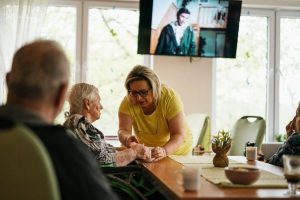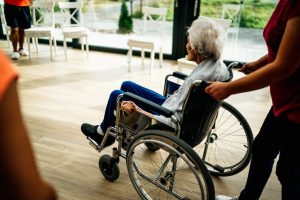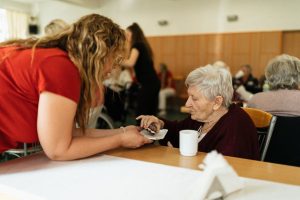
When you hear "assisted living with skilled nursing," you might picture something clinical or hospital-like. But that's not quite right. Think of it as a warm, residential community that happens to have expert medical care available right on-site, whenever it's needed.
This model is a perfect blend for seniors who need a hand with daily activities but are also managing chronic health conditions that require regular monitoring by licensed nurses. It’s about providing that safety net without giving up the feeling of home.
Bridging Daily Support with Medical Care
Imagine a comfortable, welcoming home that also has a dedicated, on-site clinic available 24/7. That, in a nutshell, is assisted living with skilled nursing. It's designed to meet a growing need: seniors who want a vibrant community life but also need the peace of mind that comes from having immediate access to medical professionals.
Unlike standard assisted living, which focuses mostly on personal care and social calendars, this integrated option adds a crucial layer of clinical oversight. Residents get all the help they need with daily routines, while licensed nurses are there to manage more complex health issues. This seamless blend means a resident’s changing health needs can be met right where they are, avoiding a stressful and disruptive move to another facility down the road.
Who Benefits Most from This Model?
This type of care is a real game-changer for seniors navigating specific health challenges. It strikes a perfect balance for individuals who are still largely independent but require consistent medical attention to stay that way.
It’s often a great fit for:
- Seniors managing chronic conditions like diabetes, heart disease, or COPD.
- Individuals recovering from surgery or a recent hospital stay who need post-operative care.
- Older adults who require regular wound care or injections.
- Those with complex medication schedules that must be administered by a licensed nurse.
This model is truly built on the principle of “aging in place.” It provides a stable, long-term home where care levels can adapt as a resident's health evolves, ensuring they get the right support at the right time without ever having to leave their community.
A Quick Comparison of Senior Care Options
To really get a feel for where this model fits in, it helps to see it side-by-side with other common choices. Each option serves a different primary purpose, and a quick comparison can make it much clearer which path is right for your loved one. For a deeper dive, you can learn more about what assisted living entails and how it differs from other models.
Here’s a simple table to help you see the key distinctions at a glance.
Senior Care Options at a Glance
| Care Type | Primary Focus | Medical Oversight | Ideal For |
|---|---|---|---|
| Assisted Living w/ Skilled Nursing | Social living with clinical support | 24/7 on-site licensed nurses | Seniors with ongoing medical needs who want a homelike setting. |
| Standard Assisted Living | Personal care, social engagement, independence | Nurse on-call or available during business hours | Seniors needing help with daily tasks but have stable health. |
| Traditional Nursing Home | Intensive, 24/7 medical and personal care | Full medical team, including doctors and therapists | Individuals with severe or acute health conditions requiring hospital-level care. |
| In-Home Care | One-on-one support with daily tasks at home | Varies; may include visiting nurses for medical tasks | Seniors who can safely remain at home but need scheduled assistance. |
Seeing the options laid out like this can make the decision-making process feel a lot less overwhelming. It highlights that assisted living with skilled nursing is designed for that specific space between needing a little help and requiring full-time hospital-level care.
How This Care Differs From Other Senior Living Options
Knowing the definition of assisted living with skilled nursing is one thing, but picturing how it works day-to-day is what really counts. This isn't just a menu of services; it's a unique living arrangement that feels more like a genuine home and less like a sterile institution. The real difference is in the philosophy: blending a person's independence with the security of immediate, professional medical support.
To get a clear picture of where assisted living with skilled nursing fits, it helps to compare it with other senior living communities. Each model serves a distinct need, but this hybrid approach fills a huge gap for families who want both a comfortable lifestyle and serious, on-site medical care.
Think of it this way: the two main pillars of senior care—everyday living support and clinical medical oversight—are brought together under one roof.
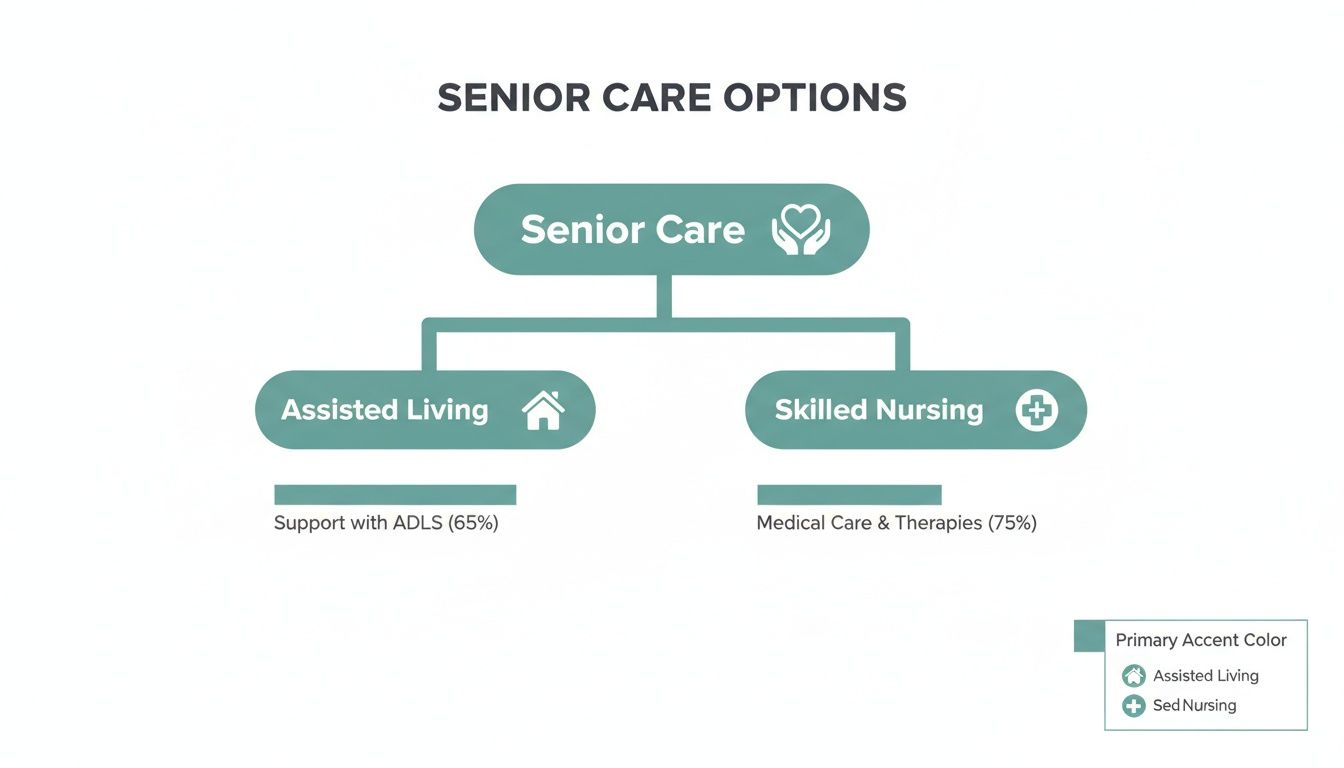
The big takeaway here is that you don't have to sacrifice a warm, social environment for top-tier medical attention. This model is designed to give you both.
Versus Traditional Nursing Homes
The most striking difference you'll notice is the overall environment. A traditional nursing home is set up like a clinical facility, where intensive medical treatment is the top priority. That’s absolutely necessary for people with severe, complex health conditions, but it often leads to a more institutional feeling, complete with rigid schedules and a hospital-like atmosphere.
In contrast, a community like Forest Cottage Senior Care is all about creating a vibrant, homelike setting. The focus is on supporting a resident's quality of life through social events, personal freedom, and everyday comforts, all while seamlessly weaving in the skilled nursing care they need.
A nursing home is built around a medical chart. Assisted living with skilled nursing is built around the person, with their medical chart serving as a vital guide. It's a fundamental shift from just treating conditions to truly caring for an individual.
Here are a few key distinctions:
- Atmosphere: Imagine a warm, residential feel with private rooms and common areas designed for connection, versus a more sterile, clinical setting.
- Independence: Residents are encouraged to live as autonomously as possible. Care plans are there to support their daily lives, not dictate them.
- Social Life: There's a huge emphasis on activities, events, and building a real community, which often takes a backseat in a purely medical-focused nursing home.
For a deeper dive into these two options, take a look at our guide on the differences between assisted living and nursing homes.
Versus In-Home Care
Having care at home offers the undeniable comfort of familiar surroundings. That’s a powerful benefit. However, this model usually depends on scheduled visits from home health aides or nurses, which can create gaps in care. What happens if a medical issue pops up between appointments?
That’s where the on-site model provides a critical safety net. Having licensed nurses available 24/7 means that any medical concern, whether it's a sudden change in vital signs or a fall, gets addressed right away. That kind of constant oversight is something scheduled in-home care just can't offer.
On top of that, in-home care can sometimes lead to social isolation, which is a major health risk for seniors. This hybrid model comes with a built-in community of friends and staff, fighting loneliness and boosting mental and emotional health.
The assisted living sector now serves over 1 million Americans, showing just how much families value this approach. Digging into the numbers, we see that 53% of residents are aged 85 and older, and the typical stay is about 22 months before some may need more intensive care. This really highlights the model's role as a crucial bridge—providing strong support before a full nursing facility is needed. By mixing residential comfort with around-the-clock medical readiness, it strikes a balance that puts both health and happiness first.
The Services You Can Expect
To really wrap your head around assisted living with skilled nursing, you need to look at the services it offers. Think of it as a smart blend of two kinds of support, working together under one roof to care for the whole person—handling both their day-to-day comfort and their medical needs.
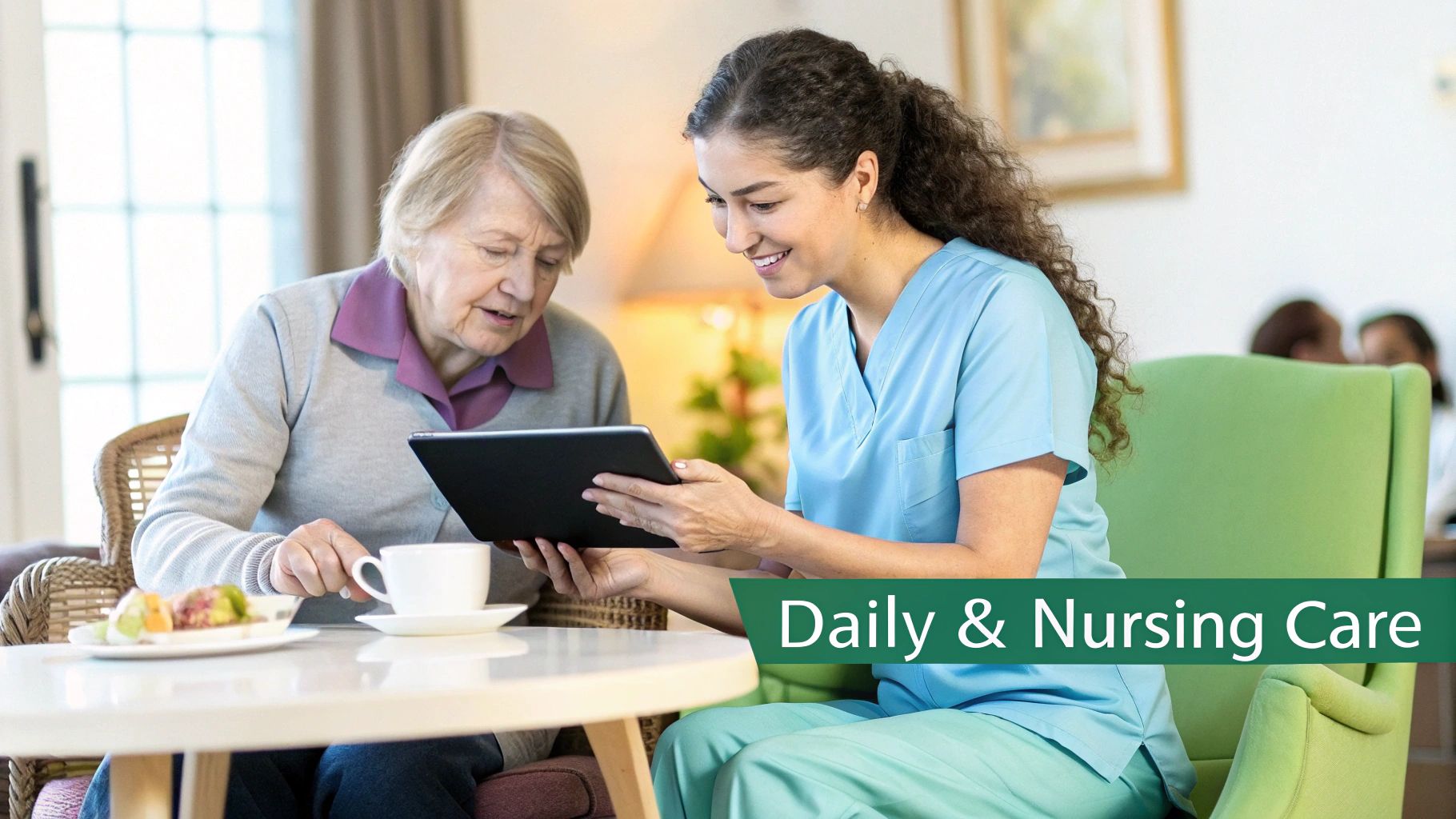
This mix means residents get complete care that can shift and adapt as their health changes. Let's pull back the curtain on the two main types of services you’ll find: the ones that make daily life vibrant and the ones that provide crucial medical supervision.
Daily Living and Lifestyle Support
This is the "assisted living" side of things. It’s all about creating a lifestyle that’s comfortable, engaging, and dignified. These services are there to lift the burden of daily chores so residents have the freedom and support to truly enjoy their time.
Here’s what that typically looks like:
- Assistance with Activities of Daily Living (ADLs): This is just a clinical way of saying help with personal tasks like bathing, dressing, grooming, or getting around. It’s always provided with respect and discretion.
- Chef-Prepared Meals: Forget bland cafeteria food. We're talking nutritious, delicious meals served in a dining room where residents can socialize. Of course, any special dietary needs are handled with care.
- Housekeeping and Laundry: Regular cleaning and laundry services keep the living space safe, clean, and pleasant, minus all the effort.
- Social Engagement and Activities: A full calendar of events, from group trips to on-site hobbies and entertainment, helps everyone stay active, connected, and part of a community.
The whole point of daily living support is to boost quality of life. It goes way beyond just covering the basics; it’s about nurturing independence, finding joy, and creating a real sense of home.
Here at Forest Cottage Senior Care, we even include transportation and beautician services at no extra charge, because we want our residents to feel their best and stay connected to our Willis community. If you want to dive deeper, you might find our guide on what services are included in assisted living helpful.
Clinical and Skilled Nursing Services
Now for the "skilled nursing" piece that truly sets this model apart. These are services delivered by licensed nurses and trained medical professionals, offering a level of clinical supervision that you just don't find in standard assisted living. This on-site medical know-how brings incredible peace of mind to residents and their families.
Having 24/7 nursing staff on hand means that medical issues—whether it’s a routine task or something unexpected—are addressed right away by a professional.
Here are some of the essential clinical services:
- Medication Administration and Management: Licensed nurses make sure complicated medication schedules are followed perfectly, preventing dangerous mistakes and managing prescriptions correctly.
- Chronic Condition Management: For residents with conditions like diabetes, COPD, or heart disease, nurses regularly monitor vitals, blood sugar, and other health markers to keep the illness in check and head off complications.
- Wound Care and Post-Operative Monitoring: Professional care for surgical wounds, pressure sores, or other injuries is handled right there, which helps speed up healing and prevent infection.
- Coordination with Physicians: The nursing team becomes the main point of contact, keeping a resident's doctors, specialists, and therapists in the loop to ensure the care plan is consistent and well-managed.
This constant medical presence is the safety net that lets residents with changing health needs live with confidence, knowing expert help is always just a few steps away.
Navigating Costs Insurance and Financial Aid
Figuring out the financial side of senior care is often one of the biggest hurdles families face. But there's good news: a community that combines assisted living with skilled nursing can be a more predictable and cost-effective path than patching together separate services or heading straight to a traditional nursing home.
This model bundles housing, meals, personal care, and clinical oversight into one monthly fee. You get to avoid the surprise costs and logistical headaches that pop up when you're trying to coordinate a half-dozen different providers on your own.
Think about the value of an all-in-one approach. Instead of juggling payments for a home health aide, a meal delivery service, and then staring down the astronomical expense of a nursing facility if health needs suddenly change, families get a clear, consolidated cost. That financial clarity is a huge relief during an already stressful time.
Breaking Down the Payment Sources
Funding this level of care usually involves a blend of resources. It's pretty rare for one single source to cover everything, so most families create a financial plan that pulls from a few different places.
Here are the most common ways families pay for care:
- Private Funds: This is the go-to for most families. It includes personal savings, pensions, retirement accounts like 401(k)s or IRAs, and income from Social Security.
- Long-Term Care Insurance: If your loved one has one of these policies, it's a major asset. This insurance is specifically designed to cover long-term care services and can dramatically offset the monthly fees. Just be sure to review the policy’s benefit triggers and coverage limits.
- Sale of a Home or Reverse Mortgage: The equity built up in a home is a common way to fund senior living. A reverse mortgage can also be a good option, providing a steady income stream without having to sell the property right away.
A big piece of the puzzle is understanding what health insurance does and doesn't cover, as it's a key part of protecting both health and finances.
The Role of Medicare and Medicaid
There's a common myth that government programs will foot the entire bill for assisted living. While they can definitely help in specific situations, their role is often limited and very specific.
Medicare is mainly for short-term, rehabilitative care right after a hospital stay. It doesn't cover the long-term custodial care or the "room and board" part of assisted living. However, it might cover certain skilled nursing services provided within the community, but only if a resident meets some very strict criteria.
Medicaid, on the other hand, can be a source of funding for low-income seniors. The catch is that not all communities accept it, and those that do might have long waiting lists. The rules for coverage also vary a lot from state to state, so you'll need to check the specific guidelines for Texas. For more local details, check out our guide on assisted living costs in Texas.
It's crucial for families to understand that assisted living is largely a private-pay industry. Planning ahead and exploring all financial avenues, from insurance to personal assets, is the best strategy for ensuring a smooth transition.
Unlocking VA Benefits for Veterans
For veterans and their surviving spouses, some incredibly valuable benefits are available that can make a huge difference. The most well-known program is the VA Aid and Attendance pension. This provides monthly payments to eligible veterans who need help with daily living activities.
This benefit is tailor-made to help cover the costs of care in a community that offers assisted living with skilled nursing. While the application process can feel a bit complex, the financial support it provides is absolutely worth the effort.
At Forest Cottage Senior Care, we feel a deep commitment to our veterans. We actively help families understand and apply for these benefits, guiding them through the paperwork and connecting them with accredited agents. Our goal is simple: to make sure those who served our country can access the compassionate, high-quality care they've earned without worrying about the financial strain. This hands-on support is just one of the ways we serve our Willis community.
A Practical Checklist for Choosing the Right Community
Deciding that assisted living with skilled nursing is the right path is a huge step. But the next phase—finding the perfect community—is just as important. A little structure can turn what feels like an overwhelming process into one where you feel confident and in control.
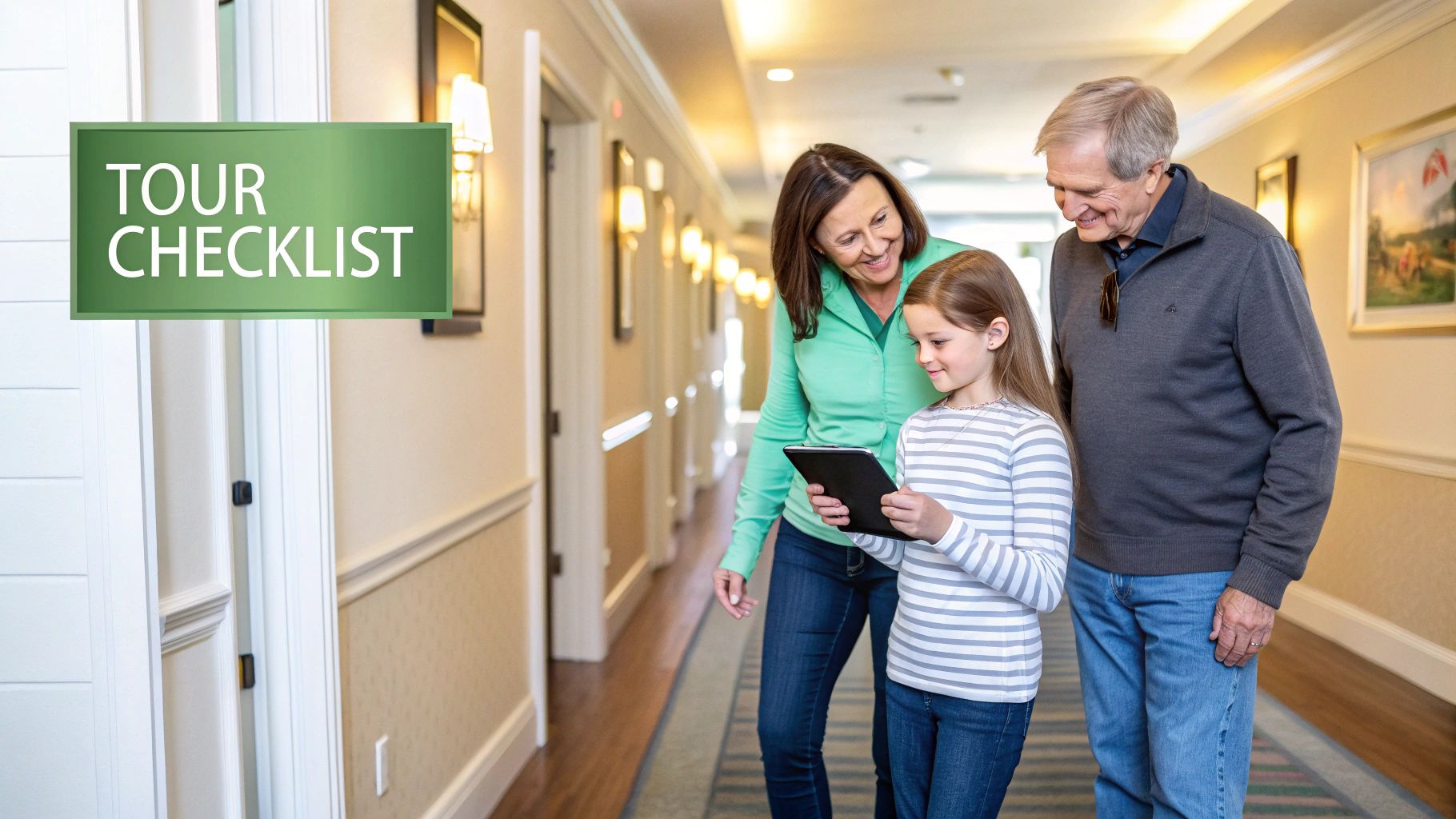
Think of your tours as fact-finding missions. You need to look past the polished brochures to get a real feel for the care, atmosphere, and medical know-how of each place you visit in the Willis, Texas area. I always tell families to focus on three key things: the people, the medical readiness, and the overall vibe of the place.
Community Evaluation Checklist
Walking into a community for the first time can be a lot to take in. Having a checklist helps you stay focused on what truly matters for your loved one's well-being and happiness. Use this table to guide your observations and conversations during your tour.
| Category | What to Look For | Key Questions to Ask |
|---|---|---|
| Staff & Expertise | Observe staff-resident interactions. Do they seem genuine and caring? Is there a sense of teamwork among the staff? | What is your nurse-to-resident ratio for day and night shifts? What ongoing training do you provide for conditions like dementia or diabetes? |
| Medical Capabilities | Look for well-organized medication carts and clean treatment areas. Check if emergency equipment is easily accessible. | How do you coordinate with a resident's primary doctor? Can you walk me through your protocol for a fall or sudden illness? |
| Quality of Life | Notice the overall atmosphere. Is it active and social, or quiet and isolating? Do residents seem happy and engaged? | Can I see a weekly menu? What activities are most popular with residents? How often are rooms and common areas cleaned? |
| Safety & Environment | Check for clear hallways, good lighting, and secure entryways. Is the community well-maintained and free of strong odors? | What safety features are in each resident's room (e.g., grab bars, emergency call systems)? How do you ensure residents are safe at night? |
Remember, this isn't just about ticking boxes. It's about getting a gut feeling. Does this place feel right? Does it seem like a place where your loved one can truly thrive?
Evaluating Staff and Medical Expertise
The heart of any care community is its people. Their skill, availability, and simple kindness are what will shape your loved one's daily life and safety. As you tour, pay close attention to the little interactions you see between caregivers and residents—that tells you more than any marketing slogan ever will.
Here are a few things to dig into:
- Nurse-to-Resident Ratio: Be direct and ask for the specific ratio for different shifts (day, evening, and overnight). A lower number almost always means more one-on-one attention.
- Staff Credentials and Training: Are the nurses on staff licensed RNs or LVNs? What kind of continuing education do they receive, especially for complex conditions like Parkinson's or post-stroke care?
- Staff Turnover: High turnover can be a red flag. When you see a stable, long-term team, it's usually a good sign of a positive work environment and, ultimately, more consistent care.
Assessing Medical Capabilities and Coordination
The "skilled nursing" part of the equation is critical, so you need to understand exactly what that means here. You're looking for the confidence that they can manage today's health needs and smoothly adapt to whatever comes next.
Ask these critical questions:
- Physician Coordination: How do they talk to a resident’s primary doctor or specialists? Do they have a medical director on staff or a physician who makes regular rounds?
- Emergency Protocols: What happens in a medical emergency? How fast can the nursing staff respond, and what is their working relationship with local hospitals here in Willis?
- Care Plan Adaptability: Frame it this way: "How do you adapt a resident's care plan as their health needs change over time?" Their answer will tell you everything you need to know about how proactive and personalized their approach really is.
For a deeper dive, take a look at our complete list of questions to ask assisted living facilities to make sure you've covered all your bases.
Observing the Quality of Life and Atmosphere
Finally, step back from the clinical side of things. At the end of the day, this will be your loved one's home. It needs to feel welcoming, engaging, and genuinely comfortable. Trust your senses during the tour—what do you see, hear, and even smell?
Keep an eye out for these essential elements:
- Resident Engagement: Look around. Do residents seem happy and involved in activities, or are most people sitting alone in their rooms? Glance at the activity calendar and see if events look well-attended and interesting.
- The Dining Experience: Food is a huge part of daily life. Ask to see a weekly menu, and if you can, try a meal yourself. Does the dining room feel like a friendly social spot or just a sterile cafeteria?
- Cleanliness and Maintenance: The community should be spotless, well-lit, and free of any unpleasant odors. Take a peek at both the common areas and an actual resident's room to see how well they maintain things.
The Forest Cottage Difference for Willis Families
Getting your head around the concept of assisted living with skilled nursing is one thing, but seeing it in action is what really counts. Here at Forest Cottage Senior Care, we go beyond the textbook definitions. We’ve built a community where a person-first philosophy isn't just a slogan—it's at the heart of everything we do. For families in Willis, Texas, that means finding a place that feels less like a facility and more like coming home.
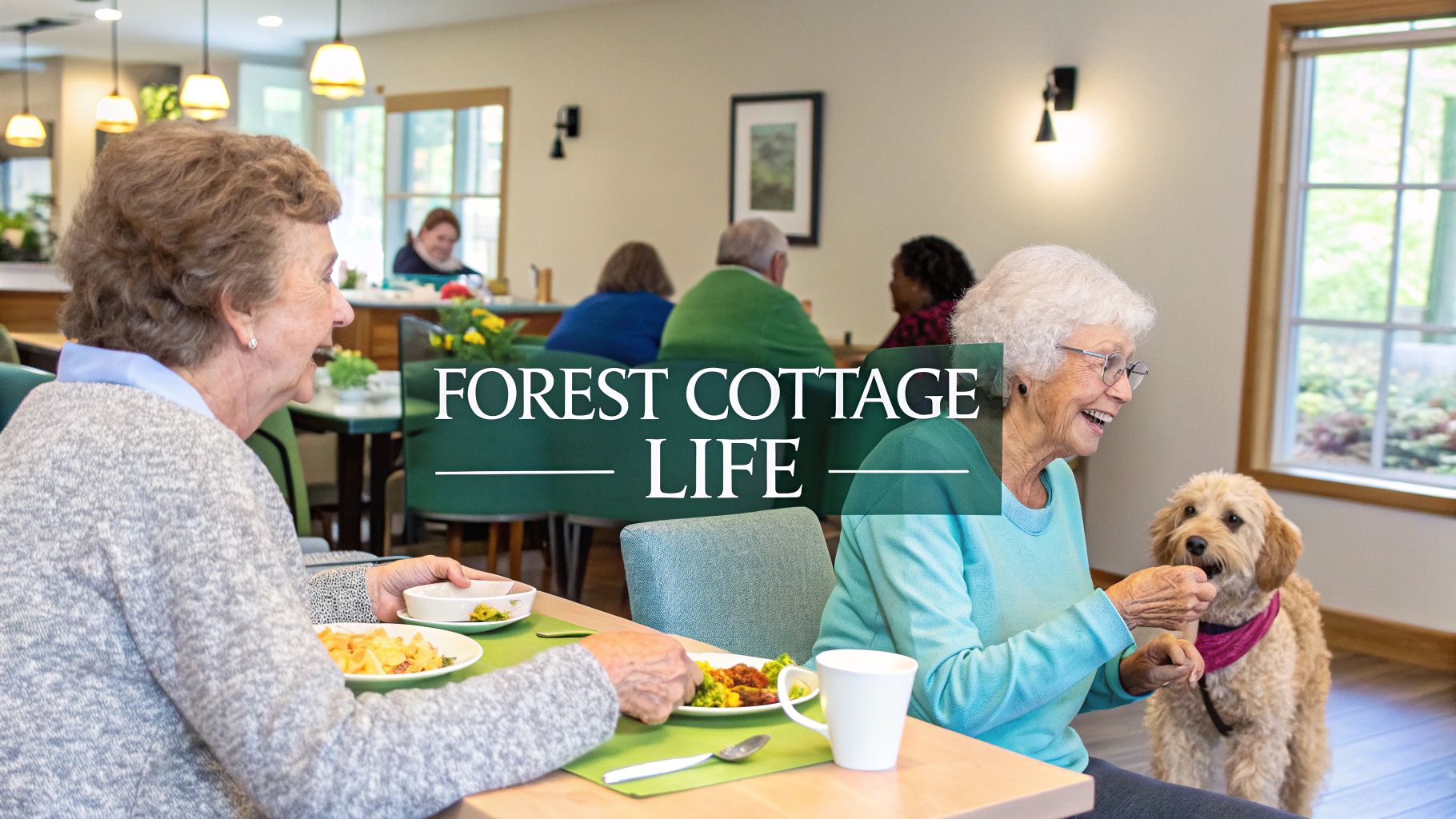
Our whole approach is built on preserving dignity and promoting genuine comfort in a setting that feels more like a resort. We firmly believe that needing a higher level of medical support shouldn't mean sacrificing the simple joys of life. This idea is woven into every part of our community, from how our team interacts with residents to the amenities we’ve thoughtfully included. It’s about creating an environment where people don’t just live—they truly thrive.
A Focus on All-Inclusive Living
We know that worrying about hidden fees and coordinating outside services just adds stress no one needs. That’s why we’ve simplified life for our residents and their families by including key services that others often tack on as extra charges. This commitment to all-inclusive care is a big part of what makes our community feel like a true home.
This includes valuable amenities like:
- Freshly Prepared Meals: Our culinary team creates delicious and nutritious meals, turning dining into a social and genuinely enjoyable experience.
- Transportation Services: We handle the driving for appointments and outings, making sure residents stay connected to the greater Willis community.
- On-Site Beautician Services: Looking and feeling your best is so important for morale, so we offer professional beautician services right here.
At Forest Cottage, our goal is to provide a seamless continuum of care. We are more than just a place to live; we are a dedicated partner in our residents' health and happiness, ensuring every moment matters.
Unique Touches That Create a Home
Often, it's the little things—the unique, personal details—that make the biggest difference in someone's day-to-day happiness. We’ve worked hard to cultivate a warm atmosphere with special programs that bring comfort and joy, fostering a real sense of connection and well-being.
One of the most beloved parts of our community is our Goldendoodle pet therapy program. The unconditional love and gentle presence of our therapy dogs brighten spirits, reduce stress, and provide a unique kind of companionship that both residents and staff adore.
By combining compassionate, 24/7 skilled nursing with these thoughtful touches, we provide a complete care experience. It's a stable, supportive environment where residents can confidently age in place, knowing their evolving needs will always be met right here in their Willis home.
Common Questions About This Care Model
As you start looking into assisted living with skilled nursing, you're bound to have questions. It's a big decision, and getting clear, straightforward answers is the first step toward feeling confident. Let’s walk through some of the most common concerns we hear from families just like yours.
When Is It Time to Consider This Care Level?
The move to this level of care isn't usually triggered by one single event. Instead, it’s often a growing pattern of needs that are becoming too complex for basic in-home help or traditional assisted living.
You might be seeing signs that it’s time, such as:
- A recent fall, surgery, or hospital stay that now requires consistent medical monitoring.
- A new diagnosis of a chronic condition like COPD, heart disease, or diabetes that needs a professional to manage it properly.
- An increasingly complicated medication schedule where a mistake could have serious consequences.
- A noticeable decline in mobility or strength, making falls and injuries a constant worry.
A professional care assessment is a great way to get a clear, objective look at the situation. It can help your family understand if the on-site clinical support of skilled nursing is the right next step.
Can a Resident Age in Place?
Yes, and honestly, this is one of the biggest reasons families choose this model. The entire approach is designed for "aging in place." It offers tremendous peace of mind, knowing your loved one won’t have to endure the stress of moving again if their health needs change.
Instead of uprooting them to a new, unfamiliar facility, the care plan simply adapts. More intensive nursing support is brought right to them, in the place they already call home.
This model is all about letting the care scale up or down to meet the resident's needs. It creates a seamless transition from light assistance to full clinical support, all within the same familiar and comforting community.
What Is the Role of 24/7 Nursing Staff?
Think of the 24/7 nursing staff as the community's medical safety net. These licensed professionals provide that critical layer of clinical oversight around the clock, which makes all the difference.
Their core responsibilities include:
- Making sure medications are administered correctly and on schedule.
- Keeping a close eye on vital signs and managing chronic health conditions.
- Providing immediate first response if a medical event or emergency happens.
- Serving as the main point of contact between residents, their doctors, and their families.
Having them there 24/7 means that even small changes in a resident's health are noticed and addressed right away. This need for high-level care is a growing reality; the global skilled nursing facility market is expected to hit $763.53 billion by 2032. It’s a clear sign of how crucial these advanced care options have become. You can explore more about this market expansion and its drivers.
At Forest Cottage Senior Care, we know this journey can feel overwhelming, and we're here to answer every question you have. Discover how our compassionate, person-first approach to assisted living with skilled nursing can support your family. Schedule your personal tour today by visiting us at http://44.202.110.106.