
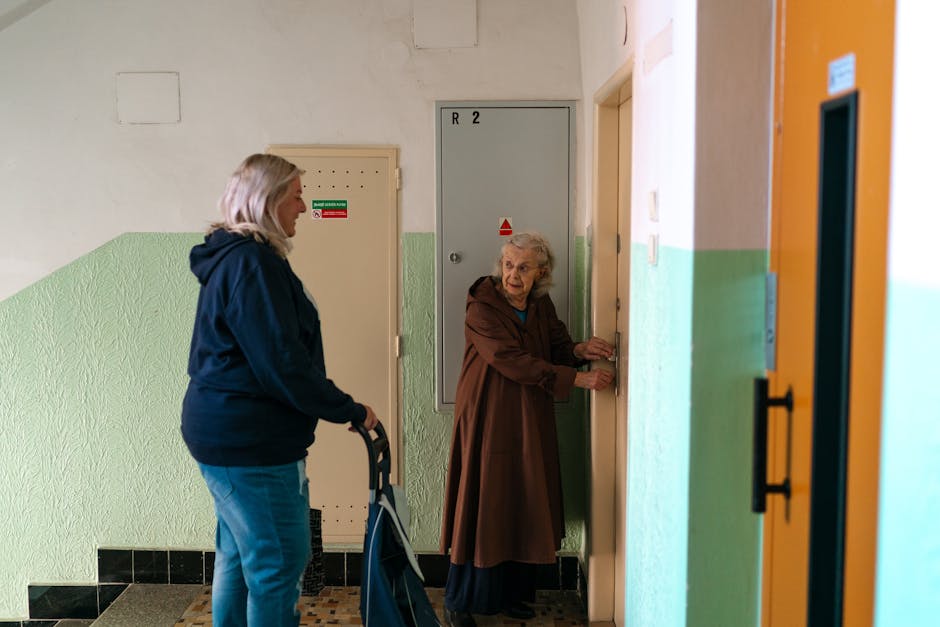
Assisted living resident: finding the perfect home-like care in willis, tx
Choosing the right assisted living community for your elderly loved one represents one of life’s most significant decisions. For families in Willis, TX, and surrounding areas, understanding what makes an exceptional assisted living resident experience is crucial when evaluating care options. The transition to assisted living should feel like coming home to a warm, supportive environment where seniors can thrive while receiving the personalized care they deserve.
Understanding the Modern Assisted Living Resident Experience
Today’s assisted living resident enjoys a dramatically different experience than previous generations. Modern residential assisted living facilities prioritize creating authentic home-like environments that honor each resident’s individuality, preferences, and life story. At Forest Cottage Senior Care, residents aren’t just numbers in a system—they’re cherished family members receiving compassionate, personalized attention.

The contemporary assisted living resident benefits from comprehensive senior care services that address physical, emotional, and social needs. These services typically include:
- Medication management and health monitoring
- Assistance with activities of daily living
- Nutritious meal planning and preparation
- Housekeeping and laundry services
- Transportation coordination
- Social activities and engagement programs
- 24-hour compassionate care supervision
What sets exceptional facilities apart is their commitment to maintaining dignity and independence while providing necessary support. Residents retain control over their daily routines, personal belongings, and lifestyle choices within a secure, nurturing environment.
The Importance of Memory Care in Residential Settings
For assisted living residents experiencing cognitive changes, specialized memory care becomes essential. Quality residential facilities understand that memory-related conditions require unique approaches that go beyond standard assisted living services.
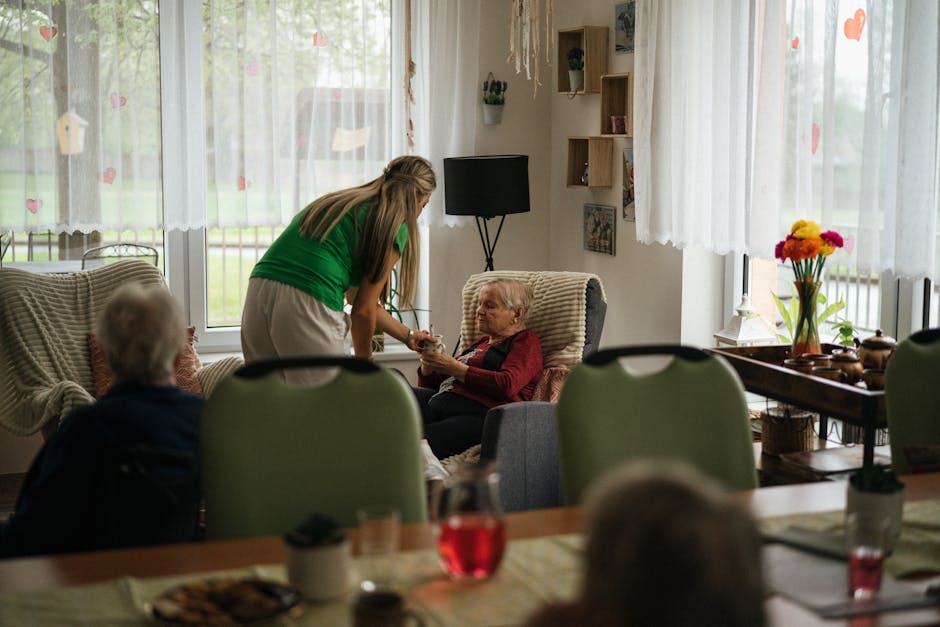
According to the Alzheimer’s Association, memory care should focus on creating structured, familiar environments that reduce confusion and anxiety. Effective memory care programs for assisted living residents include:
Personalized care plans that adapt to each resident’s cognitive abilities, familiar routines that provide comfort and security, and therapeutic activities designed to stimulate memory and maintain cognitive function.
The most successful memory care approaches recognize that every assisted living resident with cognitive challenges has unique needs, backgrounds, and capabilities. Caregivers trained in memory care techniques can help residents maintain their sense of self while providing the additional support necessary for safety and wellbeing.
Creating a Warm, Family-Oriented Atmosphere
The difference between institutional care and truly compassionate elderly care lies in the atmosphere created for residents. Exceptional assisted living facilities cultivate environments that feel like home rather than medical institutions. This family-oriented approach significantly impacts resident satisfaction, health outcomes, and overall quality of life.
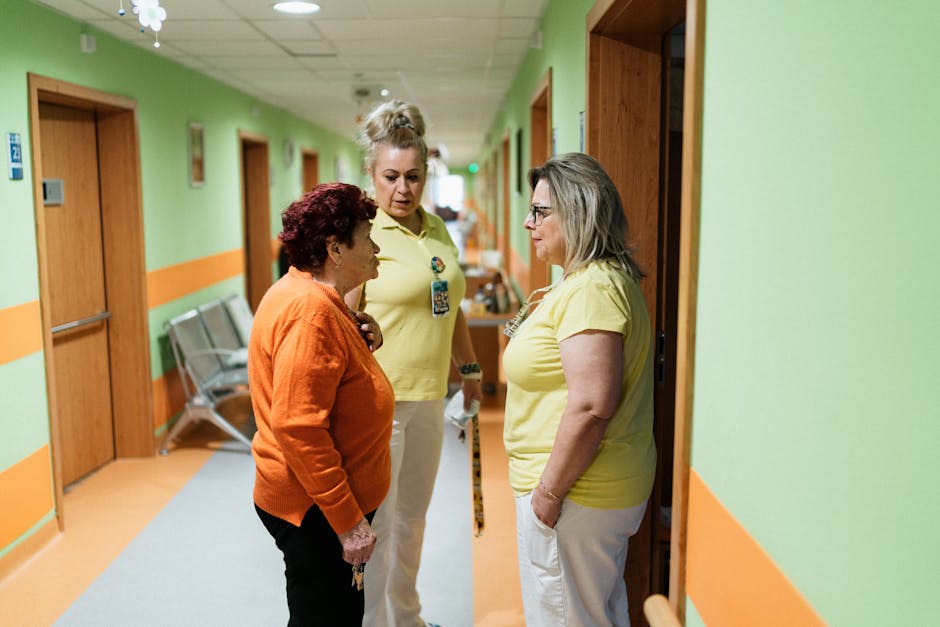
Key elements of a warm, home-like environment include:
- Personalized living spaces: Residents can decorate with cherished belongings and maintain their personal style
- Small, intimate settings: Smaller resident populations allow for more individualized attention and genuine relationships
- Family-style dining: Shared meals in comfortable settings encourage socialization and maintain familiar routines
- Flexible scheduling: Respecting individual preferences for sleep, meals, and activities
- Open communication: Regular family involvement and transparent care updates
Research from the National Center for Biotechnology Information demonstrates that assisted living residents in home-like environments experience better physical health, improved mental wellbeing, and higher overall satisfaction compared to those in more institutional settings.
Personalized Attention: The Cornerstone of Quality Care
Every assisted living resident deserves individualized care that recognizes their unique history, preferences, and needs. Personalized attention goes beyond basic care requirements to encompass emotional support, social engagement, and respect for personal dignity.

Effective personalized care begins with comprehensive assessments that consider:
- Medical history and current health conditions
- Personal preferences and lifestyle choices
- Cultural background and traditions
- Family relationships and social connections
- Hobbies, interests, and meaningful activities
- Communication styles and cognitive abilities
This information guides the development of individualized care plans that evolve with changing needs. Compassionate elderly care means understanding that an 85-year-old former teacher may have very different needs and interests than an 85-year-old retired mechanic, even if they require similar levels of physical assistance.
The best assisted living communities maintain low caregiver-to-resident ratios, ensuring each person receives adequate attention and support. This approach allows staff members to develop meaningful relationships with residents, understanding their unique personalities, preferences, and care requirements.
Comprehensive Senior Care Services for Complete Wellbeing
Modern assisted living residents benefit from holistic care approaches that address all aspects of wellbeing. Comprehensive senior care services extend beyond basic medical needs to encompass social, emotional, and spiritual support.
Physical health services for assisted living residents typically include:
- Regular health assessments and monitoring
- Coordination with healthcare providers
- Medication management and adherence support
- Physical therapy and mobility assistance
- Nutritional support and dietary management
Social and emotional wellbeing services focus on:
- Structured social activities and group programs
- Individual counseling and emotional support
- Family communication and involvement
- Spiritual care and religious services
- Meaningful engagement opportunities
The Centers for Medicare & Medicaid Services emphasizes the importance of person-centered care that treats each assisted living resident as an individual with unique needs, preferences, and goals.
Making the Transition: Supporting Assisted Living Residents and Families
The transition to assisted living can feel overwhelming for both seniors and their families. Understanding how quality facilities support this process helps families make informed decisions and prepares them for a positive experience.
Successful transitions involve:
- Pre-admission consultations: Thorough discussions about expectations, services, and care approaches
- Gradual integration: Allowing time for adjustment and relationship building
- Family education: Helping loved ones understand their role in ongoing care
- Continuous communication: Regular updates and opportunities for feedback
- Flexible care plans: Adapting services as needs change over time
Quality assisted living facilities recognize that each resident’s journey is unique. Some individuals adapt quickly to their new environment, while others may need additional time and support. Compassionate care providers work patiently with each assisted living resident and their family to ensure the transition feels positive and hopeful.
Conclusion
The modern assisted living resident experience in Willis, TX, should embody the perfect balance of independence, safety, and compassionate care. Forest Cottage Senior Care understands that choosing assisted living represents a significant life transition that deserves thoughtful consideration and exceptional support.
When evaluating assisted living options, families should prioritize facilities that offer comprehensive senior care services in warm, home-like environments. The right community will provide personalized attention that honors each resident’s individuality while ensuring safety and wellbeing. Memory care capabilities, family-oriented atmospheres, and commitment to dignity should guide your decision-making process.
Remember that the goal isn’t just finding a place for your loved one to live—it’s finding a community where they can continue to thrive, grow, and enjoy meaningful relationships. The best assisted living resident experiences happen when facilities truly understand that providing a home means caring for the whole person, not just their immediate needs.