Activity Calendar for Assisted Living
An activity calendar serves as the heartbeat of any quality assisted living community, providing structure, engagement, and purpose to residents’ daily lives. At Forest Cottage Senior Care in Willis, TX, our comprehensive activity programming demonstrates how thoughtfully planned recreational and therapeutic activities can transform the assisted living experience into one that promotes wellness, social connection, and personal fulfillment in a warm, home-like environment.
The Importance of Structured Activities in Senior Care
Activity calendars are far more than simple schedules—they represent a commitment to holistic senior care that addresses physical, mental, emotional, and social well-being. Research consistently shows that residents in assisted living facilities with robust activity programs experience improved cognitive function, reduced depression, and enhanced overall quality of life. These structured programs provide residents with anticipated events to look forward to, creating routine and purpose in their daily lives.
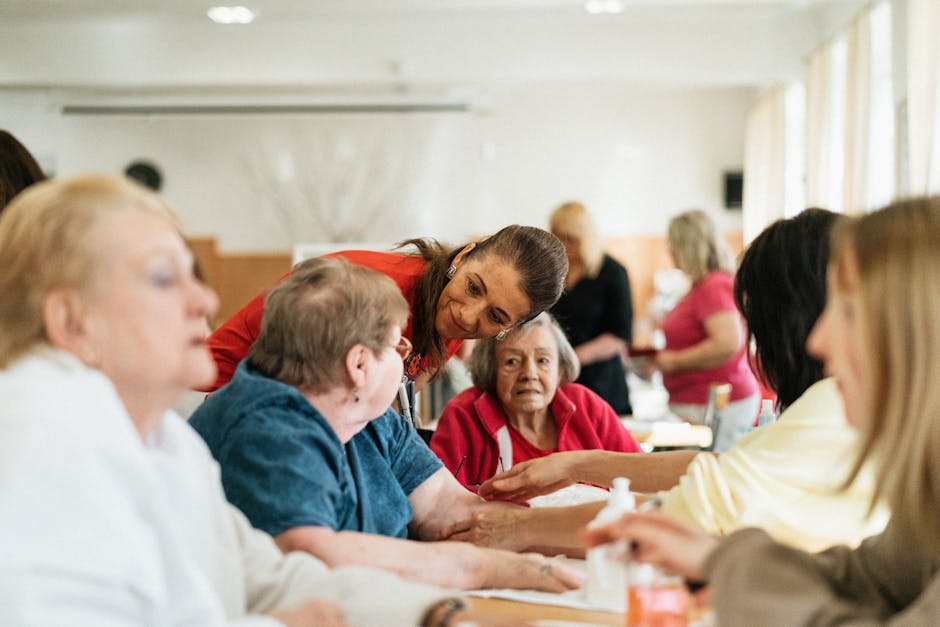
For seniors transitioning from independent living to assisted care, activity calendars help maintain a sense of normalcy and control. The predictable structure of planned activities can be particularly beneficial for residents with memory care needs, as routine and familiar activities often trigger positive memories and provide comfort. At Forest Cottage Senior Care, we understand that each resident brings unique interests, abilities, and preferences to our community, which is why our activity programming reflects this diversity while maintaining a family-oriented atmosphere.
The social aspect of group activities cannot be overstated. Many seniors face isolation and loneliness, particularly after losing a spouse or moving away from longtime neighborhoods. A well-designed activity calendar creates multiple opportunities for meaningful social interaction, helping residents form new friendships and maintain existing relationships with family members who participate in community events.
Types of Activities for Memory Care and Cognitive Wellness
Memory care requires specialized programming that stimulates cognitive function while providing comfort and security for residents experiencing dementia or Alzheimer’s disease. Reminiscence therapy activities form a cornerstone of effective memory care programming, utilizing music, photographs, and familiar objects from residents’ past to trigger positive memories and encourage verbal expression.

Cognitive stimulation activities include gentle brain games, simple puzzles, and memory exercises designed to challenge residents at appropriate levels. Art therapy sessions allow for creative expression while engaging fine motor skills and providing sensory stimulation. Music therapy, whether through listening to favorite songs from residents’ youth or participating in simple instrument playing, has shown remarkable results in improving mood and reducing agitation among memory care residents.
Sensory gardens and nature-based activities offer therapeutic benefits for residents with cognitive impairment. These activities might include tending to herb gardens, bird watching, or simple outdoor exploration in safe, enclosed areas. The familiar scents, textures, and sounds of nature often provide comfort and can help reduce anxiety and confusion.
According to the Alzheimer’s Association, meaningful activities for individuals with dementia should focus on remaining abilities rather than limitations, providing structure and routine while maintaining dignity and self-worth.
Personalized Programming Approaches
The most effective memory care activity calendars incorporate personal history and individual preferences. This might include recreating aspects of former careers—a retired teacher might enjoy reading to other residents, while a former gardener finds purpose in maintaining indoor plants. These personalized approaches help maintain identity and self-esteem while providing meaningful engagement.
Physical Wellness and Therapeutic Recreation
Physical activity programming in assisted living facilities must balance safety with the need to maintain mobility, strength, and independence. Chair exercises, gentle yoga, and walking clubs provide low-impact options that accommodate varying ability levels while promoting cardiovascular health and maintaining muscle tone.

Therapeutic recreation activities might include adapted sports like seated volleyball or bowling, balance training through tai chi, or water therapy in accessible pools. These activities not only promote physical wellness but also provide opportunities for friendly competition and social interaction that many residents enjoy.
Fall prevention programming represents a crucial component of physical wellness activities. Balance training, strength building exercises, and mobility assessments help residents maintain independence while reducing injury risks. Many assisted living communities incorporate these elements seamlessly into enjoyable activities rather than presenting them as medical treatments.
The Centers for Disease Control and Prevention emphasizes that regular physical activity can help older adults maintain independence and reduce the risk of falls, making structured exercise programming essential in assisted living environments.
Social Engagement and Community Building
Social activities form the foundation of community life in residential assisted living facilities. Holiday celebrations, birthday parties, and cultural events create shared experiences that build relationships among residents, families, and staff members. These celebrations often incorporate elements from residents’ diverse backgrounds, creating opportunities for cultural exchange and learning.
Intergenerational programming brings tremendous joy to assisted living communities. School visits, adopt-a-grandparent programs, and community volunteer partnerships allow residents to share their wisdom and experience while enjoying the energy and enthusiasm of younger generations. These programs often become highlights of the monthly activity calendar.
Game tournaments, book clubs, and discussion groups cater to residents who enjoy intellectual stimulation and friendly competition. These activities can be adapted to accommodate varying cognitive abilities while maintaining engagement and enjoyment for all participants.
Religious and spiritual programming respects the diverse faith backgrounds of residents while providing comfort and community for those who desire it. This might include worship services, prayer groups, or meditation sessions that honor individual beliefs while creating inclusive environments.
Family Involvement Opportunities
The best activity calendars include regular opportunities for family participation. Family barbecues, holiday celebrations, and special performance events allow relatives to engage meaningfully with their loved ones while observing the quality of care and community atmosphere. These events strengthen family bonds while providing residents with pride and joy in sharing their living environment with loved ones.
Creative Arts and Lifelong Learning
Creative expression through arts and crafts provides therapeutic benefits while producing tangible accomplishments that boost self-esteem. Painting classes, pottery workshops, and textile arts engage fine motor skills while encouraging creativity and personal expression. Many communities display resident artwork throughout common areas, creating a sense of pride and accomplishment.
Music programming extends beyond passive listening to include participatory experiences like community choirs, instrument playing, and music appreciation sessions. Live entertainment from local musicians, school groups, or professional performers adds variety and excitement to the activity calendar while supporting community connections.
Educational programming recognizes that learning doesn’t end with age. Guest speakers, documentary screenings, and discussion groups on current events or historical topics provide intellectual stimulation while honoring residents’ lifelong curiosity and wisdom. Technology classes help residents stay connected with distant family members and explore new interests online.
The National Institute on Aging reports that staying mentally active through learning and creative activities may help maintain cognitive function and potentially delay the onset of dementia symptoms.
Seasonal Programming and Special Events
Seasonal activities help residents maintain connection to the natural world and traditional celebrations throughout the year. Spring gardening projects, summer barbecues, autumn harvest festivals, and winter holiday celebrations provide anticipated events that create excitement and community spirit.
Special events like themed parties, cultural celebrations, and milestone acknowledgments add variety and excitement to regular programming. These might include decades parties featuring music and fashion from residents’ youth, cultural heritage celebrations that honor diverse backgrounds, or achievement ceremonies recognizing resident accomplishments.
Outdoor programming takes advantage of favorable weather while providing fresh air and natural stimulation. This might include gardening clubs, nature walks, outdoor concerts, or simple porch sitting with refreshments. These activities are particularly valuable for residents who spent significant time outdoors during their working years.
Conclusion
A thoughtfully designed activity calendar transforms assisted living from mere custodial care into a vibrant community that supports whole-person wellness. At Forest Cottage Senior Care in Willis, TX, our comprehensive programming reflects our commitment to providing compassionate, personalized care in a home-like environment where every resident can thrive. The right balance of cognitive stimulation, physical activity, social engagement, and creative expression creates an environment where seniors can continue growing, learning, and forming meaningful connections well into their golden years.
For families researching assisted living options, examining the activity calendar provides valuable insight into a facility’s commitment to resident well-being and quality of life. A robust, varied, and engaging activity program signals a community that truly understands and values the unique contributions and needs of every resident, creating the warm, family-oriented atmosphere that makes assisted living feel like home. For more detailed information on what to consider, refer to our Expert Insights on Senior Care. You can also explore our complete guide to senior care options to understand the various types of care available.