

Assisted independent living: a comprehensive guide to senior care options
As our loved ones age, finding the right balance between independence and necessary support becomes increasingly important. Assisted independent living represents a growing segment of senior care that bridges the gap between complete independence and full-time assisted living, offering seniors the autonomy they desire while providing essential services and support when needed.
This comprehensive approach to senior care has evolved significantly, with facilities like Forest Cottage Senior Care in Willis, TX, pioneering warm, home-like environments that prioritize both independence and compassionate care. Understanding the various aspects of assisted independent living can help families make informed decisions about their loved ones’ future care needs.
Understanding Residential Assisted Living Services
Residential assisted living represents a middle ground for seniors who need some assistance with daily activities but want to maintain their independence and dignity. Unlike traditional nursing homes, residential assisted living facilities focus on creating environments that feel more like home while providing necessary support services.

These facilities typically offer assistance with activities of daily living (ADLs) such as bathing, dressing, medication management, and meal preparation. However, residents maintain their own private or semi-private living spaces and have the freedom to come and go as they please, participate in activities of their choosing, and maintain personal routines.
The key distinction of residential assisted living lies in its person-centered approach. Rather than following a one-size-fits-all model, quality facilities develop individualized care plans that adapt to each resident’s specific needs, preferences, and abilities. This approach ensures that seniors receive exactly the level of support they need while maintaining maximum independence.
Modern residential assisted living facilities also emphasize creating genuine communities where residents can form meaningful relationships with both staff and fellow residents. This social aspect is crucial for mental health and overall well-being, as research from the National Institute on Aging shows that social isolation can significantly impact senior health outcomes.
Comprehensive Senior Care Services
The scope of services provided in assisted independent living facilities has expanded considerably to meet the diverse needs of today’s seniors. Beyond basic assistance with daily activities, comprehensive senior care services now include healthcare coordination, wellness programs, transportation services, and emergency response systems.
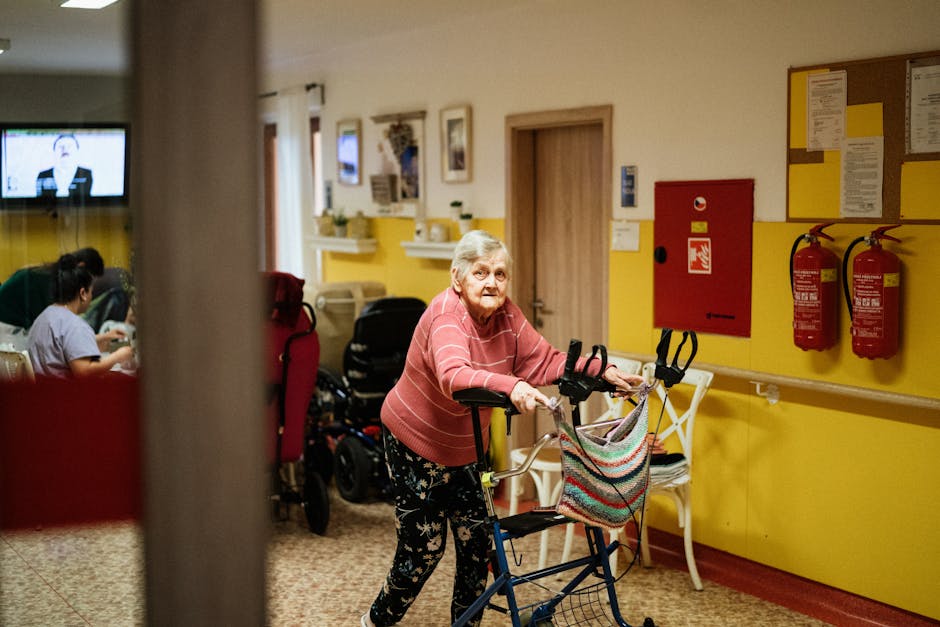
Healthcare coordination is particularly valuable, as many seniors manage multiple chronic conditions requiring various specialists and medications. Quality assisted living facilities work closely with residents’ primary care physicians and specialists to ensure seamless healthcare management. This includes medication administration, appointment scheduling, and health monitoring.
Wellness programs form another cornerstone of comprehensive senior care services. These programs typically include physical therapy, occupational therapy, fitness classes adapted for seniors, nutritional counseling, and mental health support. The goal is not just to address immediate needs but to promote overall wellness and potentially slow the progression of age-related decline.
Transportation services remove barriers to community engagement and healthcare access. Many assisted living facilities provide scheduled transportation to medical appointments, shopping centers, religious services, and community events, ensuring residents can maintain connections to the broader community.
Emergency response systems provide peace of mind for both residents and their families. These systems typically include 24-hour on-site staff availability, emergency call systems in each living unit, and protocols for handling medical emergencies. This safety net allows residents to feel secure while maintaining their independence.
Specialized Memory Care Support
Memory care represents one of the most specialized and rapidly growing aspects of assisted independent living. As the Alzheimer’s Association reports that more than 6 million Americans are living with Alzheimer’s disease, the demand for specialized memory care services continues to increase.

Memory care in assisted living settings differs significantly from general senior care. These programs require specially trained staff who understand the unique challenges and behaviors associated with dementia and Alzheimer’s disease. The physical environment is also adapted to be more secure while remaining homelike and comfortable.
Effective memory care programs incorporate evidence-based approaches such as reminiscence therapy, music therapy, and structured daily routines that help reduce confusion and agitation. The goal is to maintain residents’ dignity and quality of life while providing the specialized care they need.
Family involvement is particularly crucial in memory care settings. Quality programs provide regular communication with families, education about disease progression, and support resources to help family members cope with the challenges of having a loved one with dementia.
Security features in memory care units are designed to prevent wandering while maintaining a homelike atmosphere. This might include secured entrances and exits, enclosed outdoor areas for safe wandering, and specialized door alarms that don’t create a prison-like environment.
Creating a Home-Like Environment
The transition from independent living to assisted care can be emotionally challenging for seniors. The most successful assisted living facilities prioritize creating environments that feel like home rather than institutional settings. This approach significantly impacts residents’ adjustment and overall satisfaction.

Home-like environments in assisted living facilities typically feature residential-style architecture, comfortable furnishings, and spaces for personal belongings. Residents are encouraged to personalize their living spaces with their own furniture, photographs, and meaningful possessions. This personalization helps maintain continuity with their previous living situation and supports emotional well-being.
Common areas are designed to encourage social interaction while providing spaces for quiet reflection. These might include libraries, gardens, activity rooms, and dining areas that feel more like family dining rooms than institutional cafeterias. The goal is to create spaces where residents naturally want to spend time and engage with others.
Meal programs in home-like environments often feature restaurant-style dining with menu choices, flexible meal times, and the ability to invite family members to join for meals. Some facilities even include kitchenettes in individual units, allowing residents who enjoy cooking to continue this meaningful activity.
Pet-friendly policies are increasingly common in assisted living facilities, recognizing the significant emotional and health benefits that companion animals provide to seniors. These policies help residents maintain important relationships and routines from their previous living situations.
Family-Oriented Care and Communication
Quality assisted living facilities recognize that caring for a senior extends beyond the individual resident to include their entire family network. Family-oriented care approaches acknowledge that family members are often primary advocates and decision-makers for their loved ones and should be treated as partners in the care process.
Regular communication is essential in family-oriented care. This includes scheduled family conferences to discuss care plans and any changes in the resident’s condition, regular updates on daily activities and health status, and open-door policies that welcome family involvement in care decisions.
Many facilities provide family education programs that help relatives understand aging processes, disease progression, and how to best support their loved ones. These programs can reduce family stress and improve the overall care experience for everyone involved.
Family-oriented facilities also accommodate family traditions and celebrations. This might include providing spaces for family gatherings, accommodating cultural or religious practices, and including family members in care planning decisions.
Technology plays an increasingly important role in family communication. Many assisted living facilities now offer family portals where relatives can access care updates, view photos from activities, and communicate directly with care staff. Video calling capabilities help maintain family connections even when physical visits aren’t possible.
The Benefits of Personalized Attention
Personalized attention distinguishes high-quality assisted living facilities from more institutional care settings. This approach recognizes that each senior has unique needs, preferences, and life experiences that should inform their care plan.
Personalized care begins with comprehensive assessments that go beyond medical needs to include social preferences, hobbies, spiritual needs, and personal history. This information helps staff provide care that respects individual dignity and promotes continued engagement in meaningful activities.
Staffing ratios play a crucial role in delivering personalized attention. Facilities with lower staff-to-resident ratios can provide more individualized care and develop deeper relationships with residents. These relationships are essential for understanding subtle changes in condition and providing emotional support.
Personalized attention also extends to activity programming. Rather than offering generic activities, quality facilities develop programming based on residents’ interests and abilities. This might include continuing education classes for intellectually curious residents, art therapy for creative individuals, or gardening programs for those who enjoy working with plants.
According to Centers for Medicare & Medicaid Services quality measures, personalized care approaches lead to better health outcomes, higher resident satisfaction, and reduced hospitalizations compared to more standardized care approaches.
Choosing the Right Assisted Living Facility
Selecting an assisted living facility requires careful consideration of multiple factors. Families should evaluate not just the services provided but also the facility’s philosophy of care, staff qualifications, and overall atmosphere.
Location plays an important role in the decision-making process. Facilities close to family members make regular visits more feasible, while those in familiar communities can help residents maintain connections to their previous social networks and healthcare providers.
Financial considerations are equally important. Understanding what services are included in basic fees versus additional charges helps families budget appropriately. Many facilities offer different payment options and can provide guidance on insurance coverage and other funding sources.
The facility’s approach to aging in place should align with the family’s long-term expectations. Some facilities can accommodate residents as their care needs increase, while others may require transfers to higher levels of care. Understanding these policies upfront prevents difficult transitions later.
Staff credentials and training programs indicate the facility’s commitment to quality care. Look for facilities with certified staff, ongoing training programs, and low staff turnover rates, as these factors directly impact care quality.
Conclusion
Assisted independent living represents an important evolution in senior care, offering the perfect balance between independence and support that many seniors need. Facilities like Forest Cottage Senior Care in Willis, TX, demonstrate how compassionate, personalized care can be delivered in warm, home-like environments that honor seniors’ dignity while providing necessary support services.
The key to successful assisted living lies in understanding that each senior’s needs are unique and that care should be tailored accordingly. Whether addressing basic daily living needs, providing specialized memory care, or simply creating a community where seniors can thrive, quality assisted living facilities focus on the whole person rather than just their care needs.
For families considering assisted living options, the most important factor is finding a facility that aligns with their loved one’s values, preferences, and care needs. By prioritizing personalized attention, family involvement, and home-like environments, assisted living can provide seniors with the support they need while maintaining the independence and dignity they deserve.
The future of assisted independent living continues to evolve, with new technologies, care approaches, and environmental designs improving the experience for seniors and their families. This evolution ensures that assisted living will continue to be a viable, attractive option for seniors who want to age with grace, dignity, and the support they need to live their best lives. For more insights on senior care, families can consult resources like “Expert Insights on Senior Care” or learn more about funding options through “VA Benefits for Assisted Living in Texas” for specific assistance programs.