

Assisted living caregiver jobs: building meaningful careers in senior care
The growing demand for quality assisted living services has created abundant opportunities for compassionate individuals seeking rewarding careers in senior care. At facilities like Forest Cottage Senior Care in Willis, TX, caregivers play a vital role in providing personalized attention and creating warm, family-oriented environments for elderly residents. These positions offer more than just employment – they provide the chance to make a meaningful difference in the lives of seniors while building a stable, fulfilling career in healthcare.
As the population ages, the need for skilled assisted living caregivers continues to expand, particularly in residential settings that prioritize home-like atmospheres and individualized care. For those considering a career in this field, understanding the responsibilities, requirements, and rewards of assisted living caregiver positions can help guide important career decisions.
Essential Responsibilities of Assisted Living Caregivers
Assisted living caregivers serve as the backbone of residential senior care facilities, providing comprehensive support that goes far beyond basic medical assistance. In home-like environments such as those found at quality assisted living communities, caregivers are responsible for creating meaningful connections with residents while ensuring their daily needs are met with dignity and respect.
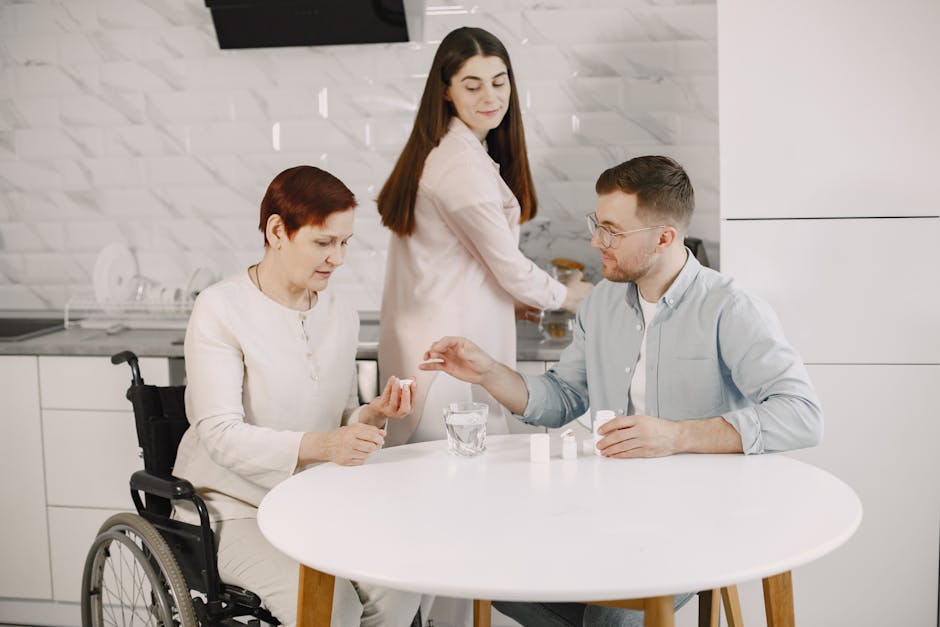
Daily responsibilities typically include assisting residents with activities of daily living, such as bathing, dressing, grooming, and medication management. However, the role extends significantly beyond these basic tasks. Caregivers also provide emotional support, engage residents in social activities, monitor health changes, and communicate regularly with families and healthcare professionals.
In memory care settings, caregivers require specialized skills to work effectively with residents experiencing cognitive decline. This includes implementing person-centered care approaches, managing challenging behaviors with patience and understanding, and creating structured routines that promote comfort and security. The ability to connect with individuals at different stages of memory loss while maintaining their dignity is a crucial aspect of these positions.
Documentation and record-keeping form another important component of caregiver responsibilities. Accurate tracking of medication administration, behavioral observations, and changes in residents’ conditions ensures continuity of care and helps families stay informed about their loved ones’ wellbeing.
Qualifications and Training Requirements
While specific requirements vary by state and facility, most assisted living caregiver positions require a high school diploma or equivalent as a minimum educational requirement. Many employers prefer candidates who have completed certified nursing assistant (CNA) training or similar healthcare education programs, though some facilities provide on-the-job training for motivated individuals without prior experience.

In Texas, caregivers working in assisted living facilities must complete state-required training programs and obtain appropriate certifications. This typically includes coursework in first aid, CPR, medication management, and resident rights. Ongoing continuing education is often required to maintain certifications and stay current with best practices in senior care.
Beyond formal qualifications, successful assisted living caregivers possess certain personal qualities that make them well-suited for this work. Patience, empathy, and excellent communication skills are essential, as is the physical stamina required for tasks like lifting, walking, and standing for extended periods. The ability to work collaboratively as part of a healthcare team while maintaining flexibility in daily routines is also crucial.
Background checks and drug screening are standard requirements for all caregiver positions in assisted living facilities. Many employers also look for candidates with experience in customer service, healthcare, or other fields that demonstrate strong interpersonal skills and reliability.
Career Growth and Development Opportunities
The assisted living industry offers numerous pathways for career advancement, making it an attractive field for individuals seeking long-term professional growth. Entry-level caregiver positions often serve as stepping stones to supervisory roles, specialized positions, or advanced healthcare careers.
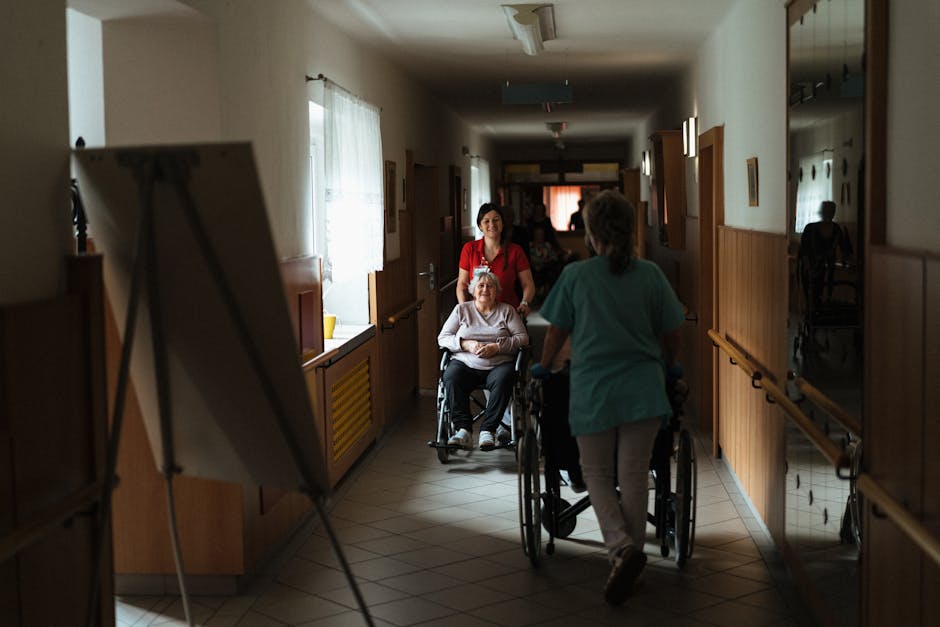
Many caregivers advance to become lead caregivers or shift supervisors, taking on additional responsibilities such as training new staff members, coordinating resident care plans, and serving as liaisons between families and management. These positions typically offer increased compensation and greater autonomy in daily work.
For those interested in specializing, opportunities exist in memory care, rehabilitation services, or activities coordination. Memory care specialists, in particular, are in high demand as facilities expand their services to meet the growing need for dementia and Alzheimer’s care. These specialized positions often require additional training but offer enhanced job security and higher compensation.
Some caregivers use their experience as a foundation for pursuing further education in nursing, social work, or healthcare administration. Many assisted living facilities offer tuition assistance or flexible scheduling to support employees’ educational goals, recognizing that investing in staff development benefits both the individual and the quality of resident care.
According to the Bureau of Labor Statistics, employment in personal care aide positions is projected to grow much faster than average, reflecting the increasing demand for senior care services across the United States.
Compensation and Benefits in Assisted Living
Compensation for assisted living caregivers varies based on factors such as geographic location, facility size, experience level, and specific qualifications. In Texas, entry-level caregiver positions typically offer competitive hourly wages that often exceed minimum wage requirements, with opportunities for increases based on performance and tenure.

Many assisted living facilities offer comprehensive benefits packages that may include health insurance, dental and vision coverage, retirement savings plans, and paid time off. Some employers also provide additional perks such as flexible scheduling options, employee recognition programs, and discounts on services.
Shift differentials are common in assisted living facilities, with higher pay rates offered for evening, overnight, and weekend shifts. This can significantly increase earning potential for caregivers willing to work non-traditional hours. Many facilities also offer overtime opportunities and holiday pay premiums.
Beyond monetary compensation, many caregivers find significant value in the non-financial rewards of their work. The opportunity to build meaningful relationships with residents and their families, the satisfaction of making a positive impact on others’ lives, and the sense of purpose that comes from providing essential care services contribute to overall job satisfaction.
Professional development opportunities, including paid training programs and conference attendance, represent additional forms of compensation that help caregivers advance their skills and career prospects. Some facilities also offer referral bonuses for employees who successfully recruit new team members.
Working in Home-Like Assisted Living Environments
The shift toward home-like assisted living environments has transformed the caregiver role, creating opportunities to work in settings that prioritize warmth, personalization, and family-oriented care. Unlike traditional institutional settings, these residential facilities emphasize creating comfortable, familiar environments that feel more like home than hospital.
In these settings, caregivers often develop deeper, more personal relationships with residents, learning their preferences, histories, and individual needs. This person-centered approach requires caregivers to be flexible, creative, and attentive to the unique characteristics that make each resident special. The smaller scale of many residential assisted living communities allows for more individualized attention and continuity of care.
Working in home-like environments also means participating in creating a warm, welcoming atmosphere through everyday interactions. Caregivers might share meals with residents, participate in family-style activities, and help maintain the comfortable, residential feel that distinguishes quality assisted living from more clinical healthcare settings.
The emphasis on family involvement in these environments means caregivers often work closely with residents’ families, providing regular updates and participating in care planning discussions. This collaborative approach requires strong communication skills and the ability to build trust with both residents and their loved ones.
Finding the Right Assisted Living Caregiver Position
Searching for the ideal assisted living caregiver position requires careful consideration of various factors, including facility philosophy, work environment, growth opportunities, and alignment with personal career goals. Prospective caregivers should research potential employers thoroughly, looking for facilities that demonstrate commitment to quality care and staff development.
When evaluating potential positions, consider the facility’s approach to resident care, staff-to-resident ratios, training programs, and opportunities for advancement. Facilities that prioritize creating home-like environments and maintaining low turnover rates often provide more stable, satisfying work experiences.
The interview process provides an excellent opportunity to assess whether a facility’s culture and values align with your own. Ask questions about training opportunities, career advancement paths, and the facility’s approach to resident care. Observe the interactions between current staff members and residents to get a sense of the working environment.
Location and scheduling flexibility are also important considerations. Many assisted living facilities offer various shift options, including part-time and full-time positions, which can accommodate different lifestyle needs and preferences.
Resources such as the National Alliance for Caregiving provide valuable information about careers in senior care, while the Assisted Living Federation of America offers insights into industry standards and best practices.
The Future of Assisted Living Careers
The future outlook for assisted living caregiver careers remains exceptionally positive, driven by demographic trends and evolving approaches to senior care. As the baby boomer generation continues to age, the demand for quality assisted living services will only increase, creating sustained job security for qualified caregivers.
Technological advances are beginning to enhance the caregiver role rather than replace it, with tools for medication management, health monitoring, and communication improving efficiency while maintaining the human connection that remains central to quality care. Caregivers who embrace these technological tools while continuing to provide compassionate, personalized care will find themselves well-positioned for career success.
The increasing recognition of the importance of mental health and social wellbeing in aging has expanded the caregiver role to include more focus on emotional support, social engagement, and quality of life enhancement. This evolution creates opportunities for caregivers to develop specialized skills in areas such as therapeutic activities, grief support, and family counseling.
Facilities that prioritize creating warm, home-like environments are becoming the preferred choice for families seeking assisted living services. This trend supports career opportunities in residential settings that emphasize personalized care, meaningful relationships, and dignified aging.
Conclusion
Assisted living caregiver positions offer meaningful career opportunities for individuals passionate about serving seniors and their families. In residential facilities like Forest Cottage Senior Care, caregivers have the privilege of providing compassionate care in warm, home-like environments that prioritize dignity, comfort, and personalized attention. The growing demand for quality senior care services, combined with opportunities for professional growth and competitive compensation, makes this field an excellent choice for those seeking stable, rewarding careers in healthcare.
For residents and families in Willis, TX, and surrounding areas, choosing facilities that invest in quality caregivers ensures access to the compassionate, professional care that makes all the difference in the assisted living experience. As the senior care industry continues to evolve, caregivers who demonstrate dedication to excellence and continuous learning will find abundant opportunities to build fulfilling careers while making lasting impacts on the lives of those they serve. Families seeking senior care options can gain valuable insights by reading “What is Residential Assisted Living: Your Complete Guide to Senior Care Options”. Furthermore, for those exploring different care facilities, it’s beneficial to review “Expert Insights on Senior Care: What Every Family Needs to Know Before Choosing a Care Community” to ensure they make an informed decision about their loved ones’ future, especially when considering the range of services like those offered at Forest Cottage. Caregivers working in locations like Texas might also find it helpful to understand options like VA Benefits for Assisted Living in Texas, which can be an important resource for families.