

When a loved one begins experiencing memory-related challenges, finding the right memory care facility becomes one of the most important decisions your family will make. The search for a memory care facility near me can feel overwhelming, especially when you want to ensure your senior family member receives the highest quality care in a warm, nurturing environment. Understanding what makes an exceptional memory care facility and knowing how to evaluate your options will help you make an informed decision that provides peace of mind for everyone involved.
Understanding Memory Care and Its Importance
Memory care represents a specialized form of senior care designed specifically for individuals living with Alzheimer’s disease, dementia, and other memory-related conditions. Unlike traditional assisted living, memory care facilities provide enhanced safety features, structured daily routines, and specialized programming tailored to support cognitive function and emotional well-being.
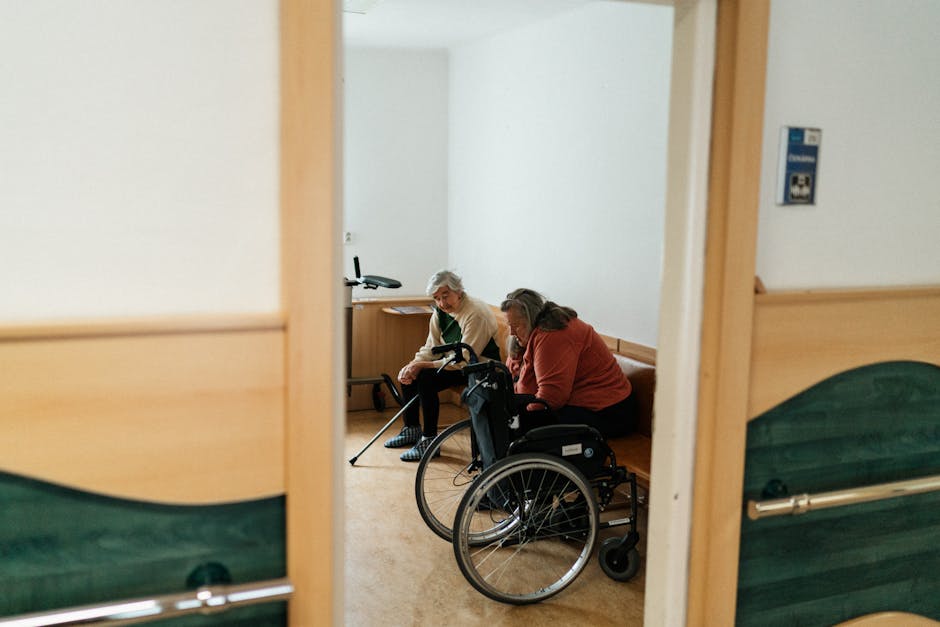
The growing need for quality memory care services has become increasingly apparent as our population ages. In 2026, millions of seniors require specialized memory care support, and families are seeking facilities that offer more than just basic supervision. They want compassionate care that honors their loved one’s dignity while providing the security and structure necessary for someone experiencing cognitive changes.
Key Features of Quality Memory Care Facilities
When searching for a memory care facility, several critical features distinguish exceptional care from basic services:
- Secure environments with controlled access to prevent wandering while maintaining a home-like atmosphere
- Specialized staff training in dementia care techniques and behavioral management
- Structured daily activities designed to maintain cognitive function and provide meaningful engagement
- Personalized care plans that adapt to each resident’s changing needs and preferences
- Family involvement programs that keep loved ones connected and informed
The Home-Like Environment Advantage
One of the most significant factors families consider when choosing a memory care facility is the living environment. Residential assisted living facilities like Forest Cottage Senior Care in Willis, TX, prioritize creating a warm, family-oriented atmosphere that feels more like home than an institution. This approach offers numerous benefits for seniors with memory-related conditions.
A home-like environment reduces anxiety and confusion often experienced by individuals with dementia. Familiar surroundings, comfortable furnishings, and a consistent daily routine help create a sense of security and belonging. Small, residential settings allow for more personalized attention and enable caregivers to develop meaningful relationships with residents.
Benefits of Smaller Residential Care Settings
Smaller memory care facilities typically provide several advantages over larger institutional settings:
- Lower staff-to-resident ratios ensure each person receives individualized attention
- Consistent caregiving teams allow staff to understand each resident’s unique needs and preferences
- Flexible programming that can adapt to residents’ interests and abilities
- Family-style dining that encourages social interaction and maintains dignity
- Quiet, peaceful environments that reduce overstimulation and promote calm
Essential Questions to Ask When Touring Memory Care Facilities
Visiting potential memory care facilities is crucial for making an informed decision. During your tours, asking the right questions will help you evaluate whether a facility meets your loved one’s specific needs and your family’s expectations.

Staff Training and Qualifications
Understanding the staff’s qualifications and training is fundamental to ensuring quality care:
- What specific dementia care training do staff members receive?
- How often do caregivers participate in continuing education programs?
- What is the typical staff-to-resident ratio during different shifts?
- How does the facility handle challenging behaviors or medical emergencies?
Daily Life and Activities
The quality of daily programming significantly impacts residents’ well-being and cognitive function:
- What types of therapeutic activities are available?
- How are activities adapted for different cognitive abilities?
- Is there outdoor space for safe wandering and fresh air?
- How does the facility maintain residents’ personal interests and hobbies?
Medical Care and Safety
Comprehensive medical support and safety protocols are essential components of quality memory care:
- How does the facility coordinate with residents’ primary care physicians?
- What safety features are in place to prevent accidents or wandering?
- How are medication management and health monitoring handled?
- What protocols exist for medical emergencies or health changes?
Financial Considerations for Memory Care
Understanding the financial aspects of memory care is crucial for long-term planning. Memory care typically costs more than traditional assisted living due to the specialized services and enhanced security features required. However, the investment in quality care often proves worthwhile when considering the comprehensive support provided.
Many families explore various funding options, including Veterans Affairs benefits, long-term care insurance, and private pay arrangements. Some facilities offer flexible payment options or sliding scale fees based on individual circumstances.
Value Beyond Cost
While cost is an important factor, families should consider the overall value provided by a memory care facility:
- Comprehensive care that includes personal care, medication management, and activity programming
- Peace of mind knowing your loved one is safe and receiving professional care
- Family support services and regular communication about your loved one’s well-being
- Professional expertise in managing the progression of memory-related conditions
Supporting Family Involvement and Communication
Quality memory care facilities recognize that family involvement remains crucial throughout a resident’s stay. The best facilities encourage regular visits, provide clear communication about health changes, and offer support resources for family members navigating this challenging journey.

Regular care conferences allow families to stay informed about their loved one’s condition and participate in care planning decisions. Many facilities also provide educational resources about dementia progression and coping strategies for family members.
Maintaining Connection Despite Memory Changes
Even as memory declines, emotional connections remain important. Quality memory care facilities help families maintain meaningful relationships through:
- Flexible visiting hours that accommodate family schedules
- Comfortable spaces for private family time
- Staff support during visits to maximize positive interactions
- Special events and celebrations that include family members
- Regular updates on daily activities and health status
Making the Transition to Memory Care
Moving to a memory care facility represents a significant transition for both residents and families. The best facilities understand this challenge and provide comprehensive support during the adjustment period. Gradual introduction to the environment, personalized room setup with familiar belongings, and consistent caregiving teams help ease this transition.
Timing the move appropriately is crucial. Many families benefit from making the transition while their loved one can still adapt to new surroundings relatively easily, rather than waiting until a crisis situation forces an immediate placement.
Signs It May Be Time for Memory Care
Several indicators suggest that professional memory care may be necessary:
- Safety concerns at home, such as wandering or accidents
- Increasing confusion about familiar people and places
- Difficulty managing personal care tasks independently
- Family caregiver burnout or stress affecting everyone’s well-being
- Need for 24-hour supervision and support
Choosing Local Memory Care in Willis, TX
For families in the Willis, Texas area, finding a local memory care facility offers significant advantages. Staying close to home allows for easier family visits, maintains connections with familiar surroundings, and provides access to established healthcare relationships. Local facilities also understand the community’s unique needs and often provide personalized care that reflects regional values and preferences.
Forest Cottage Senior Care exemplifies the benefits of choosing a local, residential memory care facility. Their commitment to providing compassionate care in a warm, home-like environment reflects the understanding that quality memory care goes beyond meeting basic needs to nurturing the whole person.
When searching for a memory care facility near me, families should prioritize facilities that demonstrate genuine compassion, professional expertise, and a commitment to maintaining dignity throughout the memory care journey. The right facility becomes an extension of your family’s care team, providing the specialized support your loved one needs while giving you confidence that they are safe, comfortable, and valued.
Take time to visit multiple facilities, ask detailed questions, and trust your instincts about where your loved one would thrive. The decision to move to memory care is never easy, but choosing the right facility can provide peace of mind and ensure your loved one receives the specialized care they deserve in their later years.
For families in Willis, TX and surrounding areas considering memory care options, professional resources can provide additional guidance and support throughout this important decision-making process.