
Let's get one thing straight right off the bat: an independent living community isn't a nursing home. Not even close. Think of it more like a neighborhood designed specifically for active, vibrant seniors who are ready to ditch the hassles of homeownership and really start enjoying their retirement. It's a lifestyle choice, plain and simple—one that's all about convenience, connection, and freedom.
What an Independent Living Community Truly Offers
An independent living community strikes that perfect balance between having your own space and having the support you need to live life on your terms.
Imagine your weekends no longer revolve around mowing the lawn, fixing a leaky sink, or dreading that next big snowstorm. Instead, that time is freed up for your hobbies, for travel, or just for relaxing with a great group of friends. That’s the real promise here: less work, more life.
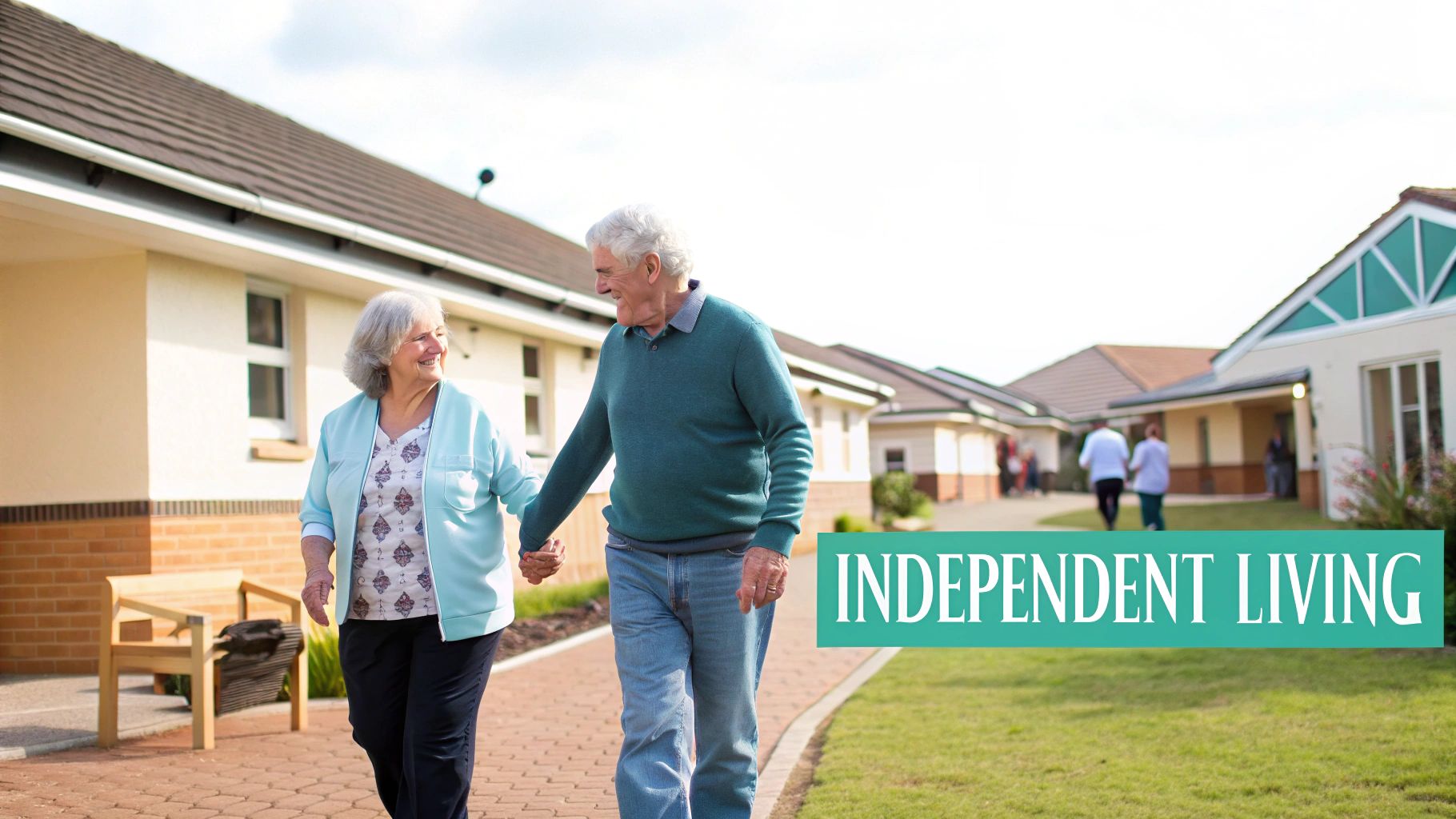
It’s a model that’s catching on fast. The global market for retirement communities is projected to hit USD 105.11 billion in 2025, and independent living makes up the biggest piece of that pie—over 30%. This isn't surprising. Retirees today want their privacy and autonomy, but they also want easy access to amenities that keep them active and socially engaged. The results speak for themselves; one study found that a whopping 61% of residents felt less lonely after making the move.
A Focus on Lifestyle and Community
Unlike facilities that center on intensive care, the whole point of independent living is to elevate your active lifestyle. You live in your own private apartment or cottage with a full kitchen and personal space, but you also gain access to a fantastic array of shared amenities and services.
What does that really look like?
- Maintenance-Free Living: Forget about home repairs, yard work, and property upkeep. It’s all handled for you.
- Built-In Social Circles: With planned events, shared interest clubs, and welcoming communal areas, making new friends happens naturally.
- Enhanced Safety and Security: Things like a 24/7 staff presence and emergency call systems offer incredible peace of mind for both you and your family.
The goal of an independent living community is not to take over your life, but to give you more of it back. It’s about creating an environment where you can thrive, connect, and enjoy your independence to the fullest.
For families just starting to look into the options, the first step is simply understanding what independent living for seniors entails. At a warm, welcoming community like Forest Cottage Senior Care right here in Willis, Texas, we put our residents first. We manage the daily chores so they can focus on what really matters—living a joyful, fulfilling, and truly independent life.
Exploring the Services and Amenities You Can Expect
The real magic of an independent living community isn't just about having a maintenance-free home—it's about the entire lifestyle that comes with it. The services and amenities are the heart and soul of the experience, designed to make daily life simpler, healthier, and more connected. Think of it less like a checklist of features and more like a complete toolkit for a richer, more engaging retirement.
These aren't just little perks; they're the foundation of a lively community. By taking care of the tedious chores and offering fun things to do, these communities give you back your time and energy to pour into whatever you're passionate about.
Services Focused on Convenience and Comfort
One of the first things residents rave about is the sheer convenience. All those weekend hassles that used to pile up are suddenly handled by a professional team, freeing up hours of your time. Making that shift from being a homeowner to a resident is a huge part of the appeal.
You'll typically find key services like these:
- Maintenance-Free Living: Got a leaky faucet? Need the lawn mowed or an appliance fixed? It's all taken care of. This means no more surprise repair bills or the headache of finding a trustworthy contractor.
- Regular Housekeeping: You get to enjoy a consistently clean and welcoming home without ever having to scrub a floor. Housekeeping services make sure your apartment stays your personal sanctuary.
- Chef-Prepared Dining: Many communities offer great dining options, often in a restaurant-style setting. It's a fantastic way to enjoy delicious, healthy meals and catch up with your neighbors over dinner.
Having access to good food is so important for residents. If you'd like to learn more about the broader topic, you can explore these nutrition security resources to see just how vital it is for daily well-being.
Amenities for Health and Wellness
Today's independent living communities are all about holistic wellness. The idea is to make healthy living easy and enjoyable, weaving it right into the rhythm of daily life. It’s a proactive approach that supports you physically, mentally, and emotionally.
You can often expect to find:
- On-Site Fitness Centers: Well-stocked gyms with senior-friendly equipment mean you can stay active, no matter what the weather is doing outside.
- Wellness Programs: This can be anything from yoga and tai chi classes to workshops on healthy eating and mindfulness, designed to fit different interests and abilities.
- Beautifully Maintained Grounds: Safe and scenic walking paths, gardens, and courtyards are perfect for getting some fresh air and gentle exercise.
At its heart, a great independent living community doesn't just provide a place to live; it provides a platform to live well. The best amenities are those that empower residents to stay active, engaged, and healthy on their own terms.
Opportunities for Social and Recreational Engagement
Maybe the single biggest perk is the built-in social life. Loneliness can be a real struggle for older adults living alone, but in a community, connecting with others is part of the environment. A packed activities calendar means there's always something to do and new people to meet.
Communities like Forest Cottage Senior Care really shine when it comes to creating a vibrant social scene with their own special offerings. You can check out the specific amenities at Forest Cottage to see how they build such a strong community feeling.
Typical social and recreational features include:
- Organized Activities and Events: A dedicated activities director keeps the schedule full with everything from book clubs and card tournaments to movie nights and holiday parties.
- Common Areas for Socializing: Cozy lounges, libraries, and game rooms become natural spots for residents to hang out and chat.
- Transportation for Group Outings: Scheduled trips to local shops, restaurants, museums, and concerts make it simple to stay connected to the wider world.
Some communities add extra-special touches, like a complimentary beautician or unique programs like the Goldendoodle pet therapy at Forest Cottage, which brings a smile to everyone's face. It’s these thoughtful details that really make a place feel like home.
Independent Living vs Assisted Living: Clarifying the Difference
Navigating the world of senior care can feel like learning a new language. You hear terms that sound almost the same but mean completely different things. One of the biggest points of confusion for families is the difference between an independent living community and assisted living.
Getting this right is a huge first step in planning for the future.
The simplest way to think about it is this: independent living offers support for your lifestyle, while assisted living provides support with daily life. They solve two very different problems, even though both are designed to help seniors live better.
What is Independent Living Really About?
An independent living community is built for active, self-sufficient older adults. We're talking about folks who handle their own personal care—from bathing and dressing to managing their medications—without a problem. They don't need hands-on help. What they're looking for is a life that's more convenient, social, and free from chores.
It's like upgrading your home life. You trade the headaches of property taxes, mowing the lawn, and surprise plumbing bills for a lively community full of things to do. The support here is all about logistics and making life more enjoyable.
The real promise of an independent living community is freedom. It’s about getting your time and energy back from homeownership so you can focus on what matters: enjoying retirement, diving into hobbies, and spending time with friends.
The perfect person for this lifestyle is someone who wants to simplify their day-to-day while expanding their social circle. They're fully capable of managing their personal needs but want the peace of mind that comes from a community setting.
The Role of Assisted Living
Assisted living, on the other hand, is for when a senior needs direct, hands-on help with what we call Activities of Daily Living (ADLs). This is the critical difference. The focus shifts from lifestyle convenience to personal care and wellness support.
This level of care is designed for individuals who might be finding it harder to manage tasks such as:
- Medication Management: Making sure the right pills are taken at the right times.
- Personal Hygiene: Getting help with bathing, dressing, and grooming.
- Mobility Support: Assistance with walking safely or moving from a bed to a chair.
- Meal Coordination: Ensuring residents get nutritious meals and have help if they need it.
Understanding the type of care and activities offered is a great way to tell them apart. While both have social calendars, you'll find programming in assisted living is often adapted for residents who need more support. Exploring resources on engaging activities for assisted living facilities can show you how events are tailored to different needs. If you want to dig even deeper, our detailed guide on the difference between independent and assisted living breaks it down even further.
This quick flowchart can help you visualize where you or your loved one might fit.
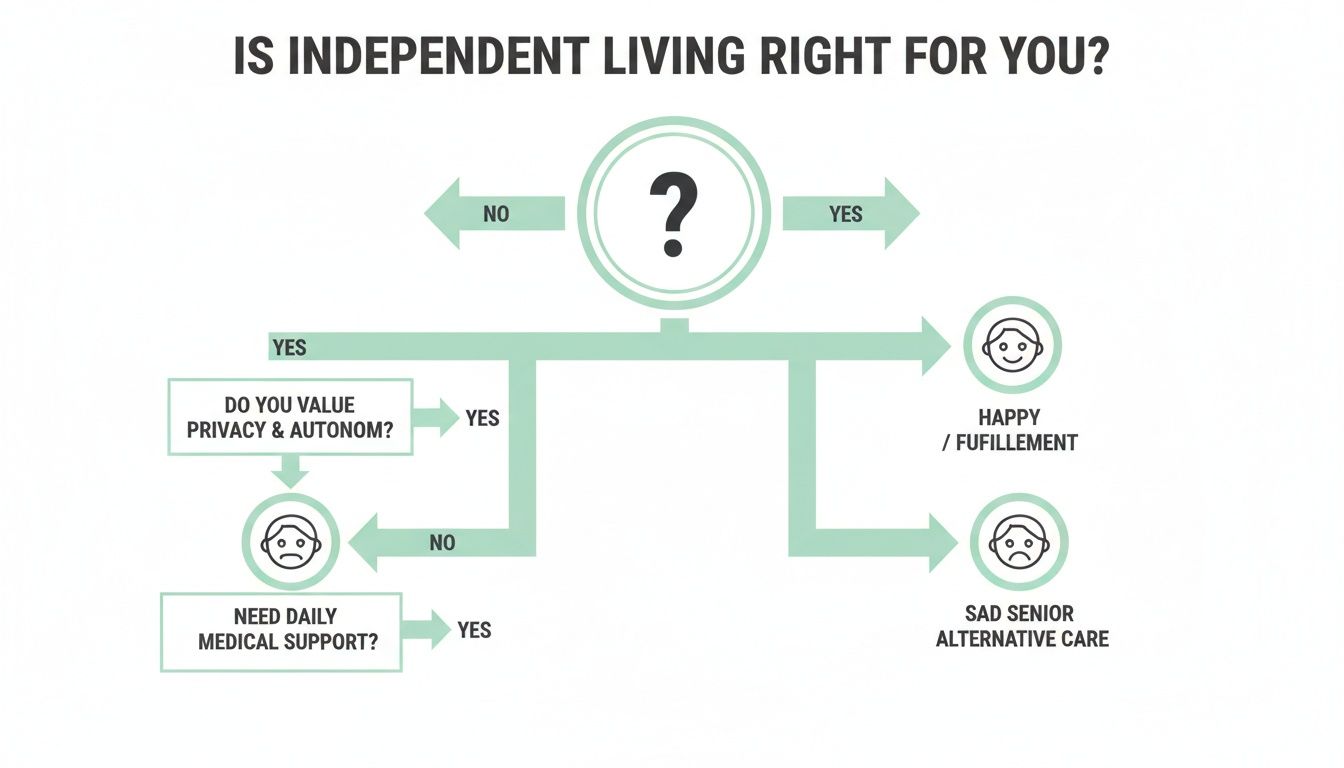
As you can see, it all comes down to whether a senior can comfortably manage their daily personal care without assistance.
Before diving into a direct comparison, it's helpful to see how these two options stack up side-by-side. The table below breaks down the key distinctions.
Comparing Care Levels: Independent vs. Assisted Living
| Feature | Independent Living | Assisted Living |
|---|---|---|
| Personal Care | None provided; residents are self-sufficient. | Hands-on help with bathing, dressing, grooming (ADLs). |
| Medication Help | Residents manage their own medications. | Staff provides reminders or administers medications. |
| Daily Life | Completely independent schedule; residents come and go freely. | Structured support available, with staff on-hand 24/7. |
| Ideal Resident | Active seniors seeking convenience and social life. | Seniors needing help with daily tasks for safety and health. |
| Core Focus | Lifestyle, convenience, and community engagement. | Personal care, wellness, and supportive monitoring. |
This comparison makes it clear: the choice isn't about which one is "better," but which one is the right fit for an individual's current needs.
The Power of a Continuum of Care
One of the best things about modern senior communities is the concept of a "continuum of care." This is a game-changer for families who want long-term stability and peace of mind.
At a place like Forest Cottage Senior Care, someone can start in an independent living apartment and, if their health needs change down the road, transition smoothly to assisted living. There’s no traumatic move to a new facility. They stay in a familiar place, surrounded by the staff and friends they’ve come to know.
This model ensures that as a resident’s needs evolve, the support they receive can grow right alongside them. It provides true security for the years ahead.
Understanding the Costs and How to Pay for Care
Let's talk about the financial side of things—it’s usually the first question on everyone's mind. When families start looking into an independent living community, the cost is a major concern. But the good news is that the pricing is much more straightforward than you might think. It’s less like paying rent and more like signing up for an all-inclusive lifestyle package.
You typically pay one monthly fee. This isn’t just for your apartment; it bundles almost all your major living expenses into a single, predictable payment. That often covers rent, all your utilities, chef-prepared meals, scheduled transportation, a full calendar of social events, and zero home or yard maintenance.
Comparing Costs Against Homeownership
At first glance, the monthly fee might look high. But it's essential to put it side-by-side with what it truly costs to stay in your current home. Most homeowners don't realize just how much they’re spending on countless separate bills, from the expected ones to those sudden, expensive repairs that pop up out of nowhere.
Think about what you're paying for at home versus what’s already included in that single community fee:
- Housing Costs: Your mortgage or rent, plus property taxes and homeowner's insurance.
- Utilities: Don't forget electricity, gas, water, trash, internet, and cable. They add up.
- Maintenance: Lawn care, snow removal, pest control, and those big-ticket surprises (a new roof or water heater can set you back thousands).
- Food and Social: Groceries, dining out, and any club or gym memberships.
When you actually add it all up, the all-inclusive fee at a community is often surprisingly competitive. It takes all those fluctuating, unpredictable expenses and rolls them into one easy-to-budget monthly figure. To see a more detailed comparison, our guide on the cost of independent living breaks it down even further.
More and more seniors are seeing the value in this, which is why demand is skyrocketing. In fact, the senior housing industry needs over 250,000 new units by 2027 just to keep up, but only about 21,750 were being built in early 2025. This gap between supply and demand is pushing rent growth, with forecasts predicting over 5% annually for the next three years, which makes planning ahead more important than ever. You can read more about these trends in the CBRE senior housing investor survey.
How Families Pay for Independent Living
So, how do families actually cover the cost? Understanding your financial options is the next big step. Every family’s situation is different, of course, but there are a few common ways people fund this new chapter. It usually involves a mix of resources you’ve built up over a lifetime.
Choosing an independent living community is an investment in quality of life. The financial planning is about ensuring that this investment is sustainable, secure, and provides lasting peace of mind for both residents and their families.
Here are the most common ways people pay for it:
- Private Funds and Savings: This is the most popular route. Families often use a combination of retirement savings, pensions, Social Security benefits, and the money from selling the family home to cover the monthly fees.
- Long-Term Care Insurance: If you have a policy designed to cover senior living, it can be a huge help. It's really important to read your policy closely to see exactly what it covers, because the benefits can vary quite a bit.
- VA Benefits for Veterans: This is a fantastic resource that many people don't know about. Programs like the Aid and Attendance benefit can provide a significant monthly pension to qualifying veterans and their spouses to help pay for their care.
At Forest Cottage Senior Care, we feel strongly about helping our nation's heroes get the benefits they've earned. Our team is here to help veterans and their families with the application process, making sure they get the support they rightfully deserve. It's just one way we try to make exceptional care accessible to everyone in our community.
A Practical Guide to Choosing the Right Community
Finding the perfect independent living community can feel like a massive undertaking, but when you break it down into a clear, step-by-step process, it becomes entirely manageable. This guide is your roadmap to navigating the search with confidence.
The secret? Start with a thoughtful self-assessment before you ever step foot inside a community. Think of it as creating a blueprint for your ideal retirement. What are your absolute must-haves? Pinpointing your priorities now will guide your entire search.
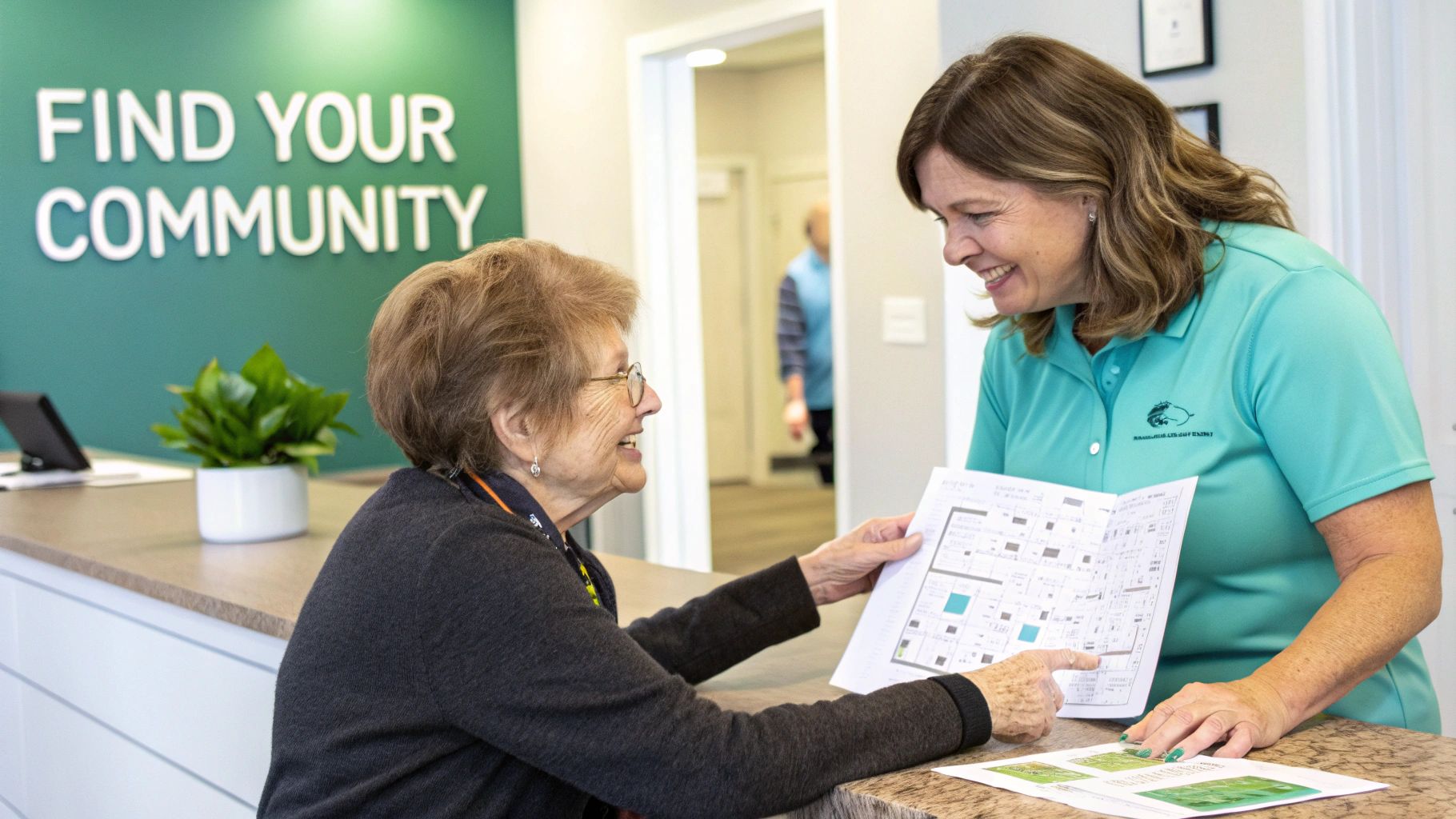
This proactive approach is more important than ever. In the first quarter of 2025, U.S. independent living communities hit an average occupancy rate of 89.0%, which shows just how popular this lifestyle is among active seniors. In hot markets like Texas, senior housing inventory has actually shrunk by nearly 4% over the last three years, making it a bit more competitive to find the right spot. You can see more insights about these senior housing occupancy trends on NIC.org.
Define Your Priorities First
Before you even think about scheduling tours, sit down and get clear on what truly matters to you. A little planning now prevents a lot of overwhelm later.
Your personal checklist should cover these core areas:
- Location and Proximity: Do you need to be close to family, your doctors, or a certain part of town? Is easy access to shopping, parks, or your favorite coffee shop important?
- Community Culture and Vibe: Are you looking for a quiet, relaxed atmosphere or a bustling social scene with a packed activities calendar? A community’s personality is just as crucial as its amenities.
- Must-Have Amenities: Make a list of your non-negotiables. Is a top-notch fitness center a must? Do you need a place that welcomes your furry friend or has a community garden?
- Future Needs: Does the community offer a continuum of care, like an easy transition to assisted living if your needs change down the road? This is a huge factor for long-term peace of mind.
Doing this homework helps you filter your options down to only the communities that are a genuine fit, saving you a ton of time and energy.
The Power of the In-Person Tour
Once you have a shortlist, nothing beats seeing a place in person. A tour is your chance to look past the glossy brochure and get a real feel for daily life. It’s where you’ll notice the little details that make all the difference.
When you tour a community, you are not just a visitor—you are a detective for your own future happiness. Pay attention to how you feel in the space and how people interact. The atmosphere speaks volumes.
Use your visit to gather as much information as you can. Don't be shy about asking direct questions; a good community will be happy to answer them.
Here are some key things to look for and ask about:
- Observe the Interactions: Watch how staff members talk with residents. Do they seem warm, respectful, and genuinely engaged? A happy team is often a great sign of a happy community.
- Talk to Current Residents: If you get the chance, strike up a conversation. Ask residents what they love about living there and what, if anything, they’d change. Their honest feedback is priceless.
- Taste the Food: If possible, have a meal in the dining room. Since dining is such a central part of the social experience, you’ll want to know if the food and atmosphere are up to par.
- Check Out the Activities: Ask for an activities calendar for the month. Do the programs look interesting and align with your hobbies?
A community like Forest Cottage Senior Care always encourages families to schedule a tour to experience our warm, person-centered environment firsthand. It’s truly the best way to see if our home feels like your home.
What a Typical Day in an Independent Living Community Looks Like
The thought of moving to an independent living community can feel like a huge step. It’s totally natural to wonder how your day-to-day life might change. But what if, instead of worrying about the unknown, you could picture a day where your biggest decision is choosing between fun, relaxation, and catching up with friends—all without the nagging burden of household chores?
Let’s take a look at what that day might actually feel like.

Your morning doesn’t start with a long to-do list; it starts with possibilities. You wake up in your own comfortable apartment, knowing you don’t have to spare a single thought for yard work or home repairs. Instead, you might sip a quiet cup of coffee on your balcony before heading down to the dining room.
There, you can join new friends for a delicious, chef-prepared breakfast. The conversation is always lively as everyone makes plans for the day ahead. It’s a wonderful, hassle-free way to get your morning started, surrounded by a warm, social atmosphere.
A Blend of Activity and Freedom
After breakfast, the day is truly yours to shape. Many residents jump right into the wellness opportunities waiting just outside their door.
A typical mid-morning could involve:
- Joining a Fitness Class: Maybe a gentle yoga or tai chi session designed to boost balance and flexibility.
- Pursuing a Hobby: You could head to the art studio to work on a painting or join a spirited book club discussion in the library.
- Enjoying a Group Outing: It's as easy as hopping on the community shuttle for a planned trip to a local museum, botanical garden, or shopping center.
Of course, the schedule is always your own. If you’d rather have a quiet morning reading or running a few errands in town, that freedom is yours. The community provides the options; you decide what your day looks like.
Life in an independent living community isn't about following a rigid schedule. It's about having a rich palette of choices available every single day, allowing you to paint the retirement lifestyle you've always envisioned.
Afternoon Relaxation and Evening Connection
The afternoon offers another chance to relax or get involved. You might attend an interesting lecture, play a competitive game of cards, or simply take a peaceful walk along the landscaped paths. Later, as evening rolls in, the community comes together again for dinner to share stories from the day.
Running underneath this whole experience is a deep sense of security. With staff available 24/7 and emergency call systems in every apartment, both residents and their families can finally relax. That peace of mind lets you fully immerse yourself in the joy of each day.
At Forest Cottage Senior Care, our mission is simple: every moment matters, and every resident counts. We invite you to see this vibrant lifestyle for yourself and discover how you can thrive in a community built around your independence.
Frequently Asked Questions About Independent Living
Choosing to move into an independent living community is a huge step, and it’s completely normal for families to have a ton of questions. Getting clear, honest answers is the best way to feel good about the path forward. We’ve put together some of the most common questions we hear from families just like yours.
Think of this as your practical guide to the details that really matter. We want you to have the clarity you need to feel confident as you start exploring this exciting new chapter.
Can I Bring My Car and Keep My Current Schedule?
Absolutely. This is one of the most important things to get about independent living—it’s built to amplify your freedom, not take it away. Residents are always encouraged to keep up the active, independent lifestyles they’ve worked so hard to build.
You can always come and go exactly as you please. Communities like Forest Cottage Senior Care have dedicated parking for residents, making it simple to keep your car and your independence. Many residents also find they love the convenience of our complimentary transportation for scheduled trips, which takes the stress out of getting to appointments or group outings.
What Happens if My Health Needs Change Over Time?
This is a fantastic and crucial question. It really gets to the heart of one of the biggest advantages of choosing a community with a full range of care. Life has a way of throwing curveballs, and knowing there’s a solid plan in place for the future brings incredible peace of mind.
At a community like Forest Cottage that offers a continuum of care, your support plan can grow with you. If you ever get to a point where you need more help with daily tasks, you can make a smooth transition to assisted living right here, in the same familiar environment. That means no disruptive moves, and you get to stay among the friends and staff you’ve already built relationships with.
The ability to "age in place" is one of the most valuable and compassionate things a senior living community can offer. It provides stability and security, letting residents truly feel at home for the long haul, no matter how their needs might change.
Are Pets Welcome in the Community?
For so many of us, pets aren't just pets—they're family. The idea of leaving a furry friend behind is a non-starter, and thankfully, many communities get that. They’ve created warm, pet-friendly environments to honor that special bond.
While the specific rules can differ from place to place, it’s always a great question to bring up on your tour. Here at Forest Cottage, we don’t just welcome residents' pets; we bring animals into our community life with programs like our much-loved Goldendoodle pet therapy. We truly believe a home is better with a furry friend, so we do our best to accommodate every member of your family.
What Kind of Support Is Available for Veterans?
We are deeply committed to honoring our veterans and making sure they get the support they've earned. A lot of former service members don't realize there are benefits available that can make senior living much more affordable.
Our team has the experience to help you navigate the VA benefits application, including programs like the Aid and Attendance pension. This benefit can make a huge difference in offsetting the cost of an independent living community. We can walk your family through the paperwork and connect you with the right resources to ensure our heroes get the benefits and the exceptional care they deserve.
At Forest Cottage Senior Care, we believe every family deserves straightforward answers and a compassionate guide. If you have more questions or just want to see our community for yourself, we'd love for you to schedule a visit. Come see what life is like here and explore your options at https://www.forestcottageseniorcare.com.