
Choosing an assisted living facility is one of the most significant decisions a family can make. It's about finding more than just housing; it’s about securing a supportive community that prioritizes safety, comfort, and quality of life. For seniors and their families in Willis, Texas, and the surrounding Montgomery County area, navigating the options can feel overwhelming. The process requires careful consideration, detailed investigation, and knowing precisely what to ask.
This comprehensive guide is designed to be your roadmap. We have compiled the most critical questions to ask assisted living facilities to ensure you uncover every important detail. This is not a generic checklist. Instead, it’s an actionable tool with suggested follow-ups, potential red flags to watch for, and specific considerations for different needs, including those of our local Veterans exploring VA benefits.
Think of this article as your trusted advisor during tours and phone calls. It will help you move beyond the glossy brochures and surface-level conversations to truly understand a community’s approach to care, staffing, pricing, and daily life. By using this structured approach, you can confidently compare your options and identify a facility that offers not just professional support, but a true sense of home. Let's equip you with the knowledge to make an informed, compassionate choice for yourself or your loved one.
1. What Types of Care Levels Does Your Facility Offer?
One of the most fundamental questions to ask assisted living facilities is about the spectrum of care they provide. This isn't just about meeting your loved one's current needs; it’s about planning for their future. A facility with a continuum of care can prevent the emotional and physical stress of another move if health needs change, offering stability and peace of mind.
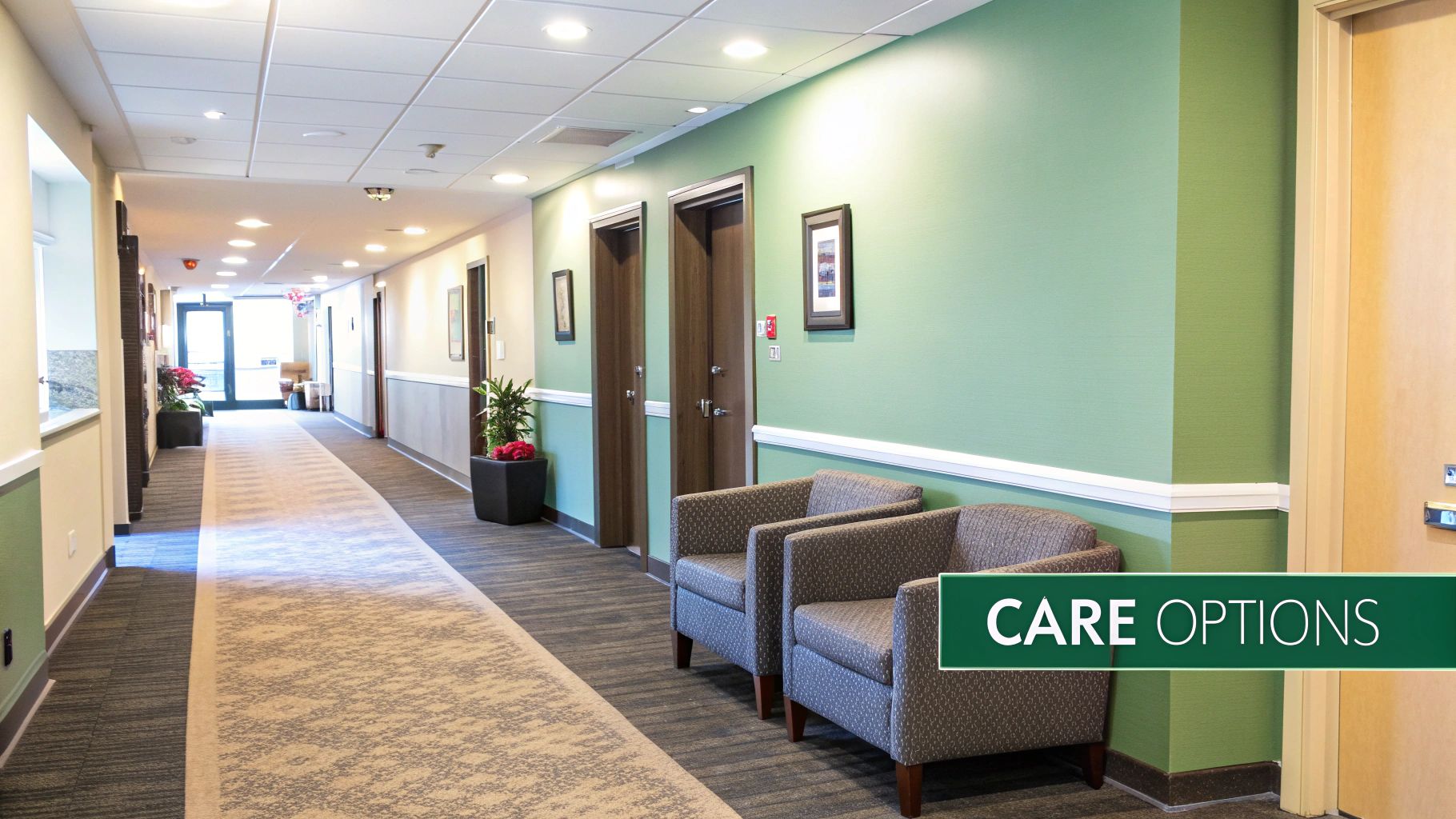
Many communities in the Willis, Texas area offer a range of options. For instance, some facilities like Forest Cottage Senior Care provide everything from semi-assisted to full assisted living, including specialized memory support. This model, often called "aging in place," allows residents to transition seamlessly to a higher level of care within a familiar environment. Understanding these distinctions is crucial; you can explore the differences between independent and assisted living to better grasp the options.
Key Follow-Up Questions to Ask
To dig deeper, use these specific follow-up questions during your tour:
- Written Definitions: "Can you provide a written document that clearly defines what services are included in each level of care?" This eliminates ambiguity about help with activities of daily living (ADLs) like bathing, dressing, and medication management.
- Transition Policies: "What is the process for transitioning between care levels? Is there a reassessment fee, and how much notice is required?"
- Cost Structure: "What is the cost difference between each level? Are these costs all-inclusive, or are services itemized?"
- Availability: "Is there typically a waitlist to move to a higher level of care, such as memory care or skilled nursing?"
Veteran's Tip: For Veterans utilizing VA benefits, ask if the facility contracts with the VA for different care levels. Confirm if your Aid and Attendance or other benefits can be applied to higher care tiers if a transition becomes necessary in the future.
2. What is Your Staffing Ratio and What Qualifications Do Staff Members Have?
The quality and availability of staff are the cornerstones of exceptional care. A facility can have beautiful amenities, but if there aren't enough qualified and compassionate caregivers, the resident experience will suffer. This question helps you assess whether a community is equipped to provide consistent, safe, and attentive support for your loved one around the clock.

In Texas, assisted living facilities must meet specific staffing requirements mandated by the Health and Human Services Commission (HHSC), but many top-tier communities exceed these minimums. For instance, some facilities ensure 24/7 nursing staff is on-site for medication administration and emergency response. Low staff turnover is another key indicator of a positive work environment, which often translates to higher-quality resident care and more stable relationships between caregivers and seniors.
Key Follow-Up Questions to Ask
To get a clear picture of the staffing situation, use these detailed follow-up questions:
- Shift Ratios: "What are your specific staff-to-resident ratios during the day, evening, and overnight shifts?" Ratios can change dramatically after business hours.
- Qualifications and Training: "What are the minimum qualifications for your direct care staff? Do you provide ongoing training in topics like dementia care, first aid, or fall prevention?"
- Staff Turnover: "What was your direct care staff turnover rate over the last two years?" A high rate can be a red flag for underlying issues at the facility.
- Contingency Plans: "How do you ensure adequate staffing when employees call in sick or go on vacation? Do you use agency staff, and if so, how are they vetted?"
Veteran's Tip: Ask if any staff members have specific training or experience in assisting Veterans, particularly with conditions like PTSD or mobility issues related to service. A staff that understands military culture can significantly enhance a Veteran's comfort and quality of life.
3. What Does Your Pricing Structure Include, and What Are Additional Costs?
Understanding the complete financial picture is one of the most critical questions to ask assisted living facilities. Transparent pricing prevents unexpected bills and helps your family budget with confidence for long-term care. You need to know exactly what is covered in the base monthly fee and what services will incur additional charges, as this varies significantly between communities.
The cost of assisted living in Texas typically ranges from $4,000 to $6,000 per month, depending on the region and the level of care required. However, some facilities offer a more all-inclusive model. For example, Forest Cottage Senior Care includes unique value-adds like transportation and beautician services at no extra charge, which can represent significant savings and convenience for families.
Key Follow-Up Questions to Ask
To avoid hidden fees and plan effectively, get specific with your financial inquiries:
- Written Fee Schedule: "Can I have a detailed, written schedule of all potential fees, from the base rent to à la carte services?" This should list everything, including medication management, incontinence care, and special dietary accommodations.
- Price Increase Policy: "How often does the monthly rate increase, and by what average percentage? What is your policy for providing notice of these increases?"
- Move-In and Exit Fees: "What are the one-time community or move-in fees? Are they refundable? What are the financial policies if we need to terminate the contract?"
- Insurance and Benefits: "Do you accept long-term care insurance, and can you assist with the paperwork?" When evaluating policies, a comprehensive Federal Employee Long Term Care Insurance Guide can be a valuable resource for understanding coverage options.
Veteran's Tip: Ask the facility's administrator if they are contracted with the VA or have experience helping residents apply for benefits like Aid and Attendance. These programs can provide a significant monthly stipend to help cover the costs of assisted living for qualifying veterans and their spouses.
4. How Do You Handle Medical Emergencies and What Happens After Hours?
A facility's emergency preparedness is a non-negotiable aspect of resident safety. Understanding the protocols for medical emergencies, after-hours situations, and hospital coordination is crucial for ensuring your loved one receives prompt and appropriate care when it matters most. A clear, well-rehearsed plan can make all the difference in a critical moment.
Facilities in the Willis, Texas area must have robust emergency response systems. For example, communities like Forest Cottage Senior Care have 24/7 nursing staff available to conduct safety checks and provide immediate response. Strong partnerships with local EMS and hospitals, such as HCA Houston Healthcare Conroe, ensure seamless coordination and rapid transport when necessary. These established relationships are a key indicator of a facility's commitment to resident well-being.
Key Follow-Up Questions to Ask
To thoroughly vet a facility’s emergency readiness, ask these specific questions:
- Emergency Protocols: "Can you provide a documented copy of your emergency protocols for events like falls, strokes, or heart attacks?"
- Staff Training: "What percentage of your staff is certified in CPR and first aid? To understand their emergency preparedness, inquire about what type of online CPR certification for healthcare providers their staff hold, as this is fundamental for handling critical situations."
- After-Hours Communication: "What is the procedure for notifying family members of an emergency, especially after business hours or overnight?"
- Hospital Coordination: "Which hospital do you typically use for emergencies, and how do you transfer resident medical information to the ER staff?"
- Palliative Care: "How are end-of-life emergencies handled? Inquiring about hospice care in assisted living can clarify their approach to comfort and dignity."
Veteran's Tip: Ask if the facility has specific protocols for notifying the VA or a designated VA healthcare coordinator during a medical emergency. Confirm how they coordinate care if a Veteran needs to be transferred to a VA medical center versus a local hospital.
5. What Dining Options and Nutritional Support Are Available?
Proper nutrition is a cornerstone of senior health, directly impacting everything from energy levels and cognitive function to mobility and immune response. When evaluating facilities, it's crucial to look beyond just the menu and understand the entire dining experience and nutritional support system. A positive dining environment fosters social connection, while a focus on high-quality, delicious food ensures residents get the nutrients they need to thrive.
This is one of the most important questions to ask assisted living facilities because it reveals their commitment to resident well-being. Communities in the Willis area that prioritize this, like Forest Cottage Senior Care, offer home-cooked meals prepared fresh daily, accommodating a wide range of dietary needs. This approach ensures meals are not only healthy but also appetizing, which is key to maintaining a good appetite and proper nutritional intake.
Key Follow-Up Questions to Ask
Use your tour as an opportunity to get a real taste of the community's approach to dining:
- Dietary Accommodations: "How do you manage specific dietary needs like low-sodium, diabetic-friendly, gluten-free, or texture-modified (e.g., pureed) diets?"
- Mealtime Observation: "Could we schedule a tour during a mealtime or sample a meal?" Observing the dining room atmosphere, food quality, and staff interaction provides invaluable insight.
- Menu & Variety: "Can I see a sample menu for a full week? How often does the menu change, and do residents have a say in meal planning?"
- Hydration & Snacks: "How is hydration monitored, and are healthy snacks and drinks available to residents between meals?"
Veteran's Tip: Some health conditions common among Veterans, such as diabetes or heart disease, require strict dietary management. Ask if the facility has a registered dietitian or nutritionist on staff or as a consultant. Confirm if their services can be part of the care plan, especially if these conditions are VA-rated disabilities.
6. What Activities, Social Programs, and Engagement Opportunities Are Offered?
Social engagement and meaningful activities are not just pastimes; they are crucial for a senior's mental health, cognitive function, and overall quality of life. An assisted living facility with a robust activities program fosters a vibrant, engaging community that prevents isolation and promotes well-being. This is a key question to ask assisted living facilities to gauge if they prioritize a resident's holistic health.

A top-tier community in the Willis, Texas area will offer a diverse calendar that caters to various interests and abilities. For example, some facilities like Forest Cottage Senior Care provide unique programs such as Goldendoodle pet therapy to foster connection and emotional support. You can explore the full range of their enriching amenities to see how a thoughtful activities schedule is structured. It’s also important that they monitor activity to ensure residents are engaged at levels appropriate for them.
Key Follow-Up Questions to Ask
To get a true sense of the community's daily life, ask these follow-up questions:
- Activity Calendar: "May I see the activity calendars for the past three months?" This reveals the variety, frequency, and consistency of their programming beyond just a sample schedule.
- Resident-Led Activities: "Do residents have input on the activity calendar? Are there any resident-led clubs or groups?" This shows if the facility empowers residents to pursue their own interests.
- Adaptability: "How are activities adapted for residents with different mobility or cognitive levels?"
- Community Outings: "How often do you offer off-site outings? Is there an additional cost, and what kind of transportation is provided?"
- Family Involvement: "Are families and friends encouraged to participate in activities and events?"
Veteran's Tip: Many Veterans enjoy camaraderie and structured group activities. Ask if the facility has any Veteran-specific social groups, recognizes military holidays, or partners with local VFW or American Legion posts for events. This can provide a valuable sense of community and shared experience.
7. How Do You Support Residents with Memory Loss and Cognitive Decline?
For families whose loved ones are experiencing dementia or Alzheimer's, this is one of the most critical questions to ask an assisted living facility. Effective memory care goes far beyond a secure environment; it involves specialized staff training, evidence-based therapeutic programs, and a deep commitment to preserving dignity and quality of life. The approach to cognitive support can significantly impact a resident's well-being and sense of self.

Facilities in the Willis, Texas area that excel in this area often adopt a person-centered care model. This means that care plans are tailored to the individual's history, preferences, and remaining abilities, rather than a one-size-fits-all approach. At Forest Cottage Senior Care, for example, dedicated memory support focuses on creating a structured yet comforting routine that minimizes confusion and agitation. To better understand this specialized environment, you can learn more about what to expect from a memory care facility.
Key Follow-Up Questions to Ask
To properly evaluate a facility's memory care capabilities, use these specific inquiries:
- Staff Training: "What specific dementia and Alzheimer's training is required for all staff, including dining and housekeeping?" Look for certifications like Certified Dementia Practitioner (CDP).
- Behavior Management: "How do you manage challenging behaviors like sundowning, aggression, or wandering?" A quality facility will prioritize non-pharmacological interventions first.
- Therapeutic Activities: "Can you provide a schedule of activities specifically designed for residents with cognitive decline?" Ask about programs like reminiscence therapy, music therapy, or art therapy.
- Environment and Security: "How is the memory care unit designed to be both secure and home-like? Are there safe, enclosed outdoor areas for residents?"
Veteran's Tip: Some symptoms of Post-Traumatic Stress Disorder (PTSD) in older Veterans can overlap with or be exacerbated by dementia. Ask the facility if their staff has received any training on trauma-informed care and how they support Veterans who may experience behavioral symptoms related to their service history.
8. How Are Care Plans Developed and How Often Are They Reviewed?
An individualized care plan is the cornerstone of quality assisted living. This document goes beyond a general list of services; it's a personalized roadmap that outlines a resident's specific needs, preferences, medical requirements, and goals. Understanding how a facility creates, implements, and updates these plans is one of the most critical questions to ask an assisted living facility, as it reveals their commitment to person-centered care.
A robust care plan ensures your loved one receives tailored support rather than a one-size-fits-all approach. For example, some facilities conduct a thorough initial assessment with a registered nurse to determine the appropriate level of assistance needed, from simple medication reminders to complete help with mobility and hygiene. This process ensures residents are placed correctly from day one and that their unique routines and preferences are respected, leading to better outcomes and higher satisfaction.
Key Follow-Up Questions to Ask
To evaluate a facility's care planning process, ask these specific questions:
- Assessment Process: "Who conducts the initial resident assessment, and what does it entail? Does it include input from the resident, family, and their physician?"
- Family Involvement: "How are family members involved in the initial development and ongoing reviews of the care plan? Can we have a copy of the plan?"
- Review Frequency: "How often is the care plan formally reviewed? What triggers an unscheduled review, such as a hospitalization or a noticeable change in condition?"
- Communication: "Who is our main point of contact regarding the care plan? How and when will we receive updates about my loved one’s progress or any changes?"
Veteran's Tip: When discussing care plans, ask if the facility has experience documenting care in a way that supports VA requirements for Aid and Attendance benefits. The plan should clearly detail the need for assistance with at least two Activities of Daily Living (ADLs) to help maintain eligibility for these crucial benefits.
9. What Support Do You Offer for Veterans and Veteran Benefits?
For veterans and their families, one of the most crucial questions to ask assisted living facilities is about their experience with VA benefits. These hard-earned benefits, particularly the Aid and Attendance pension, can significantly offset the cost of long-term care, but navigating the application process can be complex. A facility well-versed in VA procedures can be an invaluable partner in securing this financial support.
Finding a community that actively assists with this process can make all the difference. For instance, some dedicated facilities in the Willis, Texas area, like Forest Cottage Senior Care, differentiate themselves by offering direct support, such as assistance with legal fees for benefit applications. This level of partnership demonstrates a true commitment to serving those who have served our country, ensuring they can access the care they need without unnecessary financial strain. It also helps foster a community where service is honored and understood.
Key Follow-Up Questions to Ask
To properly vet a facility's veteran support system, ask these pointed questions:
- Experience Level: "How many residents have you helped successfully apply for and receive VA benefits like Aid and Attendance in the past year?"
- Direct Support: "What specific assistance do you provide for the application process? Do you offer help with paperwork, or do you partner with an accredited VA agent or attorney?"
- Coordination: "How do you coordinate with the local VA medical center or other veteran service organizations in the Montgomery County area?"
- Community Life: "Do you have any veteran-specific programs, social groups, or recognition events within the community?"
Veteran's Tip: Ask the facility if they have a "pending" or "provisional" payment policy. Some veteran-friendly communities may allow a resident to move in while their VA benefit application is being processed, sometimes deferring a portion of the cost until the retroactive payment is received from the VA. This can be a lifeline for families needing immediate care.
10. What Is Your Facility's Safety Record and Quality Ratings?
Beyond the community's atmosphere and amenities, it's critical to review its official safety and quality records. These documents provide objective evidence of how a facility operates and adheres to state and federal standards. Understanding inspection results, complaint histories, and any citations can help you identify potential red flags and verify a community's commitment to resident well-being.
State and national databases offer a transparent look into a facility's performance. For example, all licensed assisted living communities in the Willis, Texas area are regulated by the Texas Health and Human Services Commission (HHSC). You can verify a facility's license and review its inspection history online, providing a layer of assurance that goes beyond a simple marketing brochure. Asking about these records is a vital part of your due diligence process.
Key Follow-Up Questions to Ask
To get a complete picture of the facility's safety standards, use these follow-up questions:
- Inspection Reports: "Can you provide a copy of your most recent state inspection report, and can you explain how any cited deficiencies were corrected?"
- Complaint History: "Where can I find information about any formal complaints filed against your facility? What is your process for investigating and resolving resident or family grievances?"
- Accreditation: "Does your facility hold any voluntary accreditations, such as from CARF (Commission on Accreditation of Rehabilitation Facilities) or The Joint Commission?"
- Incident Reporting: "What is your policy for documenting and responding to resident incidents, such as falls or medical emergencies? How are families notified?"
Veteran's Tip: If you are considering a VA-contracted facility, ask if they have undergone specific VA inspections or quality reviews. The VA has its own set of standards for community care providers, and confirming a facility's good standing with the VA can provide additional confidence in their quality of care.
Compare: 10 Essential Assisted Living Questions
| Question | Implementation Complexity 🔄 | Resource Requirements ⚡ | Expected Outcomes ⭐📊 | Ideal Use Cases 💡 | Key Advantages ⭐ |
|---|---|---|---|---|---|
| What Types of Care Levels Does Your Facility Offer? | Moderate — tiered services & transition protocols 🔄 | High — varied housing, staff, licensing ⚡ | Continuity of care; fewer relocations; scalable support ⭐📊 | Aging-in-place; progressive health decline 💡 | Flexibility to transition levels; financial planning for tiers ⭐ |
| What is Your Staffing Ratio and What Qualifications Do Staff Members Have? | High — 24/7 scheduling, certification tracking 🔄 | Very high — nurses, CNAs, specialists, training budgets ⚡ | Improved safety, medication accuracy, lower incident rates ⭐📊 | High-dependency residents; memory care units 💡 | Rapid response capability; skilled clinical care ⭐ |
| What Does Your Pricing Structure Include, and What Are Additional Costs? | Low–Moderate — transparent invoicing and policy disclosure 🔄 | Moderate — billing staff, benefit coordination ⚡ | Better budget predictability; fewer billing disputes ⭐📊 | Cost-conscious families; long-term planning 💡 | Clear fee schedules; easier facility comparison ⭐ |
| How Do You Handle Medical Emergencies and What Happens After Hours? | High — emergency protocols, hospital coordination 🔄 | High — on-site equipment, 24/7 clinical staff, EMS links ⚡ | Faster emergency response; reduced adverse outcomes ⭐📊 | Residents with chronic/acute conditions; post-op care 💡 | Documented protocols; consistent after-hours care ⭐ |
| What Dining Options and Nutritional Support Are Available? | Moderate — menu planning, diet accommodation systems 🔄 | Moderate — kitchen facilities, nutritionist, staffing ⚡ | Better nutrition, improved health markers; social dining benefits ⭐📊 | Dietary-restricted residents; social engagement priorities 💡 | Fresh meals, specialized diets, nutrition monitoring ⭐ |
| What Activities, Social Programs, and Engagement Opportunities Are Offered? | Moderate — scheduling, program management 🔄 | Moderate — activity staff, supplies, transport ⚡ | Increased socialization, cognitive maintenance, reduced isolation ⭐📊 | Independent/assisted residents seeking engagement 💡 | Broad activity mix; improved wellbeing and purpose ⭐ |
| How Do You Support Residents with Memory Loss and Cognitive Decline? | High — secure units, specialized training, behavior protocols 🔄 | Very high — trained dementia staff, secure environment, program resources ⚡ | Safer care, reduced wandering, better behavior management ⭐📊 | Dementia/Alzheimer’s patients needing specialized care 💡 | Person-centered plans; family education and support ⭐ |
| How Are Care Plans Developed and How Often Are They Reviewed? | Moderate — assessments, documentation workflows 🔄 | Moderate — clinical time, care coordination tools ⚡ | Personalized care; timely adjustments; clearer goals ⭐📊 | Residents with changing needs; family-involved care 💡 | Tailored plans; regular reviews for evolving needs ⭐ |
| What Support Do You Offer for Veterans and Veteran Benefits? | Moderate — benefits navigation, authorization processes 🔄 | Low–Moderate — administrative/legal assistance ⚡ | Potential cost offset; access to VA programs ⭐📊 | Veterans seeking Aid & Attendance or VA aid 💡 | VA application help; possible covered legal fees ⭐ |
| What Is Your Facility's Safety Record and Quality Ratings? | Low — reporting and transparency tasks 🔄 | Low–Moderate — compliance, audits, record management ⚡ | Objective risk assessment; informed selection decisions ⭐📊 | Pre-move due diligence; regulatory compliance checks 💡 | Verified licensing, inspection history, public ratings ⭐ |
Your Next Steps to Finding Compassionate Care in Willis, TX
Navigating the landscape of senior living options can feel overwhelming, but you are now equipped with a powerful tool: a comprehensive list of critical questions to ask assisted living facilities. This guide was designed to move you beyond surface-level observations and empower you to become a discerning advocate for yourself or your loved one. By asking detailed questions about everything from staff qualifications and emergency protocols to dining experiences and specialized memory care, you transform a simple tour into a thorough investigation.
The process of choosing the right community in Willis, The Woodlands, or surrounding Texas areas is far more than an exercise in logistics. It's an emotional and deeply personal journey. Remember, the answers you receive are just one part of the equation. The other, equally important part, is how those answers are delivered. Pay attention to the non-verbal cues: the warmth in a staff member's voice, the genuine smiles on residents' faces, and the overall atmosphere of respect and dignity.
Synthesizing Your Findings: From Questions to Confidence
After visiting several facilities and diligently asking these questions, you'll have a wealth of information. The next step is to organize it in a way that facilitates a clear, confident decision. Don't rely on memory alone.
Create a simple comparison chart or spreadsheet. List the communities you visited in the columns and the key question categories (Care Levels, Staffing, Cost, Safety, etc.) in the rows. This visual layout allows you to see, at a glance, how each facility stacks up against your specific needs and priorities.
Key Takeaways to Center Your Decision:
- Transparency is Non-Negotiable: A facility that is open and forthcoming about its pricing, staffing ratios, and state inspection reports is one that values trust. Hesitation or vague responses should be considered a significant red flag.
- Personalization is Paramount: Look for evidence of individualized care. Does the facility talk about residents as a group, or do they emphasize customized care plans, dietary accommodations, and activities that cater to diverse interests? True person-centered care is felt, not just stated.
- Community is the Core: Beyond the physical building, you are choosing a community. Observe the interactions between residents and staff. Is there laughter? Are residents engaged and active, or are they isolated in their rooms? The social and emotional environment is a critical component of overall well-being.
- For Veterans, Specifics Matter: If you or your loved one is a Veteran, don't settle for a simple "yes" when asking about VA benefits. A knowledgeable facility will be able to discuss the specifics of Aid and Attendance, provide assistance with paperwork, and demonstrate a history of successfully working with Veteran residents.
Making the Final Choice with Peace of Mind
Ultimately, the goal of asking these targeted questions is to find a place that feels like home, a community where safety, dignity, and quality of life are the top priorities. This decision is one of the most important you will make, and taking the time to do thorough research is an investment in future peace of mind. You are looking for a partner in care, a team that will support your family through the next chapter with compassion and expertise.
Trust your instincts. After you’ve reviewed your notes and compared the facts, step back and consider how you felt in each place. The right community will not only meet your criteria on paper but will also resonate with you on a personal level, providing a sense of comfort and assurance that your loved one will be genuinely cared for.
At Forest Cottage Senior Care, we welcome your toughest questions because we are proud of the answers. Our commitment to transparency and person-centered care is the foundation of our community, and we invite you to see firsthand how our approach makes a difference in the lives of our residents. Schedule your personal tour today to discover the warm, supportive, and engaging environment at Forest Cottage Senior Care.